
Top 10 Mobile App Development Companies in India | Top Picks
In 2026, a mobile application is no longer just an option—it is a necessity. Whether you run a small local shop or a large enterprise, your customers expect to find […]
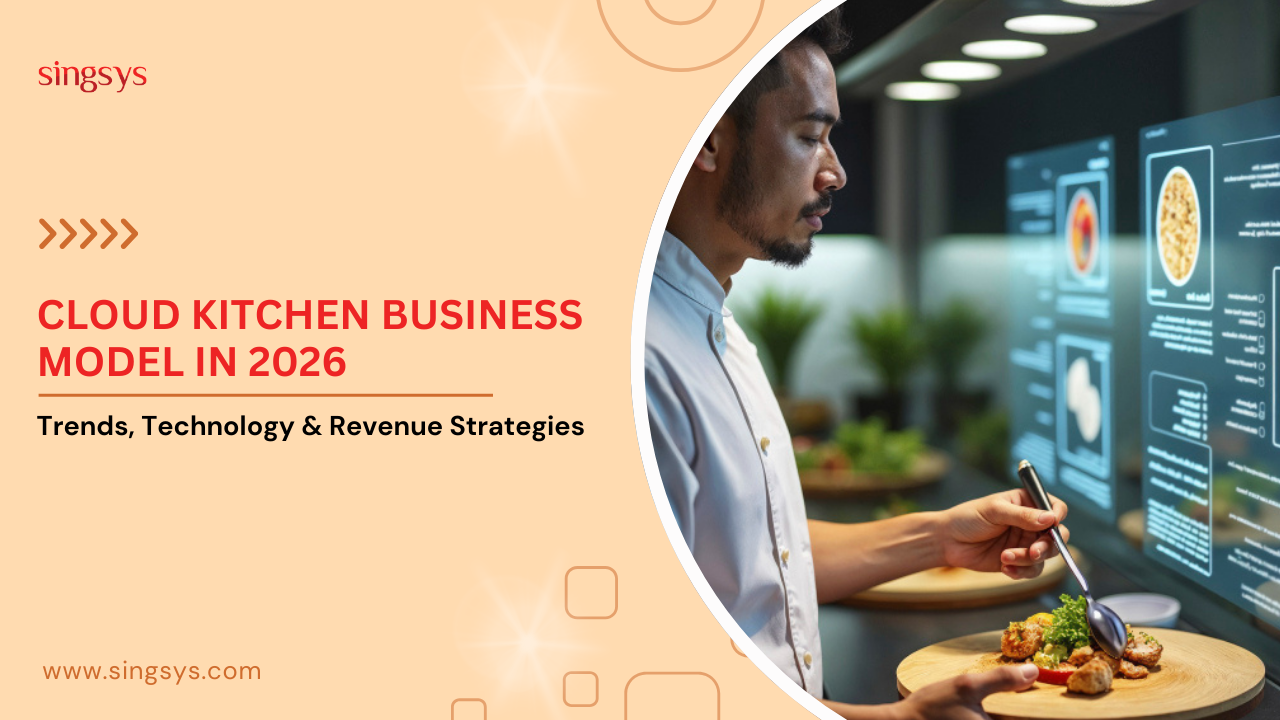
The food industry is evolving faster than ever. With rising digital adoption, on-demand culture, and shifting consumer behaviour, the cloud kitchen business model is becoming a dominant force in 2026.
Unlike traditional restaurants, cloud kitchens operate without dine-in facilities. They focus entirely on delivery and online orders. This lean model reduces overhead costs while maximising scalability.
However, the real driver behind successful cloud kitchens today is technology — particularly Cloud App Development.
Let’s explore the trends, technologies, and revenue strategies shaping cloud kitchens in 2026.
A cloud kitchen, also known as a ghost kitchen or virtual kitchen, is a delivery-only food business. Orders are placed through mobile apps, websites, or third-party delivery platforms.
There is no physical dining space. Everything revolves around:
In 2026, the model is more advanced than ever. Businesses are integrating cloud-based restaurant management systems, AI-powered analytics, and custom mobile apps built through Cloud App Development solutions.
Several market forces are driving growth.
Consumers prefer convenience. Apps have replaced walk-ins. Fast delivery and contactless payments are now expected, not optional.
Compared to traditional restaurants, cloud kitchens require:
This makes the model attractive to startups and food entrepreneurs.
With the right Cloud App Development strategy, businesses can:
Technology is no longer a support system. It is the backbone of the business.
Artificial intelligence is helping kitchens predict order volumes. This reduces food waste and improves inventory management.
Instead of one large kitchen, brands are opening smaller units closer to customers. Cloud infrastructure allows real-time coordination across locations.
One kitchen, multiple cuisines. This trend maximises asset utilisation and revenue potential.
Brands are investing in their own apps built through professional Cloud App Development services to reduce dependency on third-party aggregators and save commission costs.
Technology determines profitability.
A custom cloud-based app integrates:
All into one dashboard.
This reduces errors and speeds up preparation.
Modern Cloud App Development enables:
Data-driven decisions improve margins.
A well-designed cloud app includes:
Customer retention increases when the experience is smooth.
Success is not just about selling food. It is about smart revenue planning.
Operate across:
Diversification protects revenue streams.
Weekly and monthly meal subscriptions ensure a predictable income.
This works especially well for:
Using AI tools integrated via Cloud App Development, businesses can adjust prices based on demand, time, and location.
Anonymous customer behaviour insights can be used to:
Cloud kitchens can franchise their brand while providing a centralised technology system powered by cloud infrastructure.
A strong cloud kitchen in 2026 needs:
Handles incoming orders from all sources.
Synchronises billing, stock, and reporting.
Tracks raw materials and reduces wastage.
Supports personalised marketing campaigns.
Built through advanced Cloud App Development to ensure scalability, security, and real-time performance.
Despite opportunities, there are challenges.
Low entry barriers mean many players in the market.
Heavy reliance on third-party apps can reduce profit margins due to commission fees.
Managing multiple brands from one kitchen requires strong coordination and digital infrastructure.
This is where investing in professional Cloud App Development becomes crucial.
Digital marketing plays a major role.
Targeted ads on search engines and social media drive app installs and direct orders.
Optimising for local keywords helps attract organic traffic.
Food bloggers and local influencers increase brand visibility.
Custom cloud apps enable automated reminders, offers, and loyalty rewards.
The cloud kitchen model will continue evolving with:
All these innovations will rely heavily on scalable and secure Cloud App Development solutions.
Technology will not just support operations. It will define the competitive edge.
The cloud kitchen business model in 2026 is more than a food delivery concept. It is a technology-driven ecosystem.
Success depends on:
At the heart of it all lies Cloud App Development. Businesses that invest in secure, scalable, and intelligent cloud solutions will lead the next wave of food industry innovation.
The future of food is digital. And the kitchens that adapt to technology today will dominate tomorrow.
Yes. With low overhead costs and strong digital infrastructure, cloud kitchens can achieve high profit margins, especially when supported by scalable Cloud App Development systems.
Technology is critical. From order management to customer retention, every process relies on cloud-based platforms and mobile apps.
Competition and aggregator commission fees are major challenges. Direct-to-consumer apps built through professional Cloud App Development services can reduce dependency.
By launching multiple brands, offering subscription plans, using AI-based pricing strategies, and investing in digital marketing.
Because scalability, data analytics, and seamless user experience determine long-term success. A strong cloud infrastructure ensures operational efficiency and growth.
Read more blog posts:







Apr 9th, 2026
In 2026, a mobile application is no longer just an option—it is a necessity. Whether you run a small local shop or a large enterprise, your customers expect to find […]
Mar 12th, 2026
Mobile apps play a vital role in how retail businesses connect with customers. Leading retailers like Best Buy have successfully built powerful mobile applications that allow users to browse products, […]
Feb 26th, 2026
Startups live in a fast-moving environment where speed, efficiency, and scalability define success. One of the biggest decisions they face is choosing the right technology for mobile app development. Traditionally, […]