In this fast-moving digital landscape, customer expectations have changed dramatically. People want quick responses, personalised communication, and seamless support no matter where they interact with a brand. This makes CRM (Customer Relationship Management) software an essential tool for modern businesses.
A CRM system is no longer just a digital address book — it is a strategic asset that empowers companies to strengthen relationships, improve performance, and drive consistent growth.
Businesses that implement the right CRM solution see clearer sales processes, stronger customer loyalty, and far more efficient service operations. With careful planning and the right partner, such as Singsys, organisations can leverage CRM solutions to transform their entire customer journey.
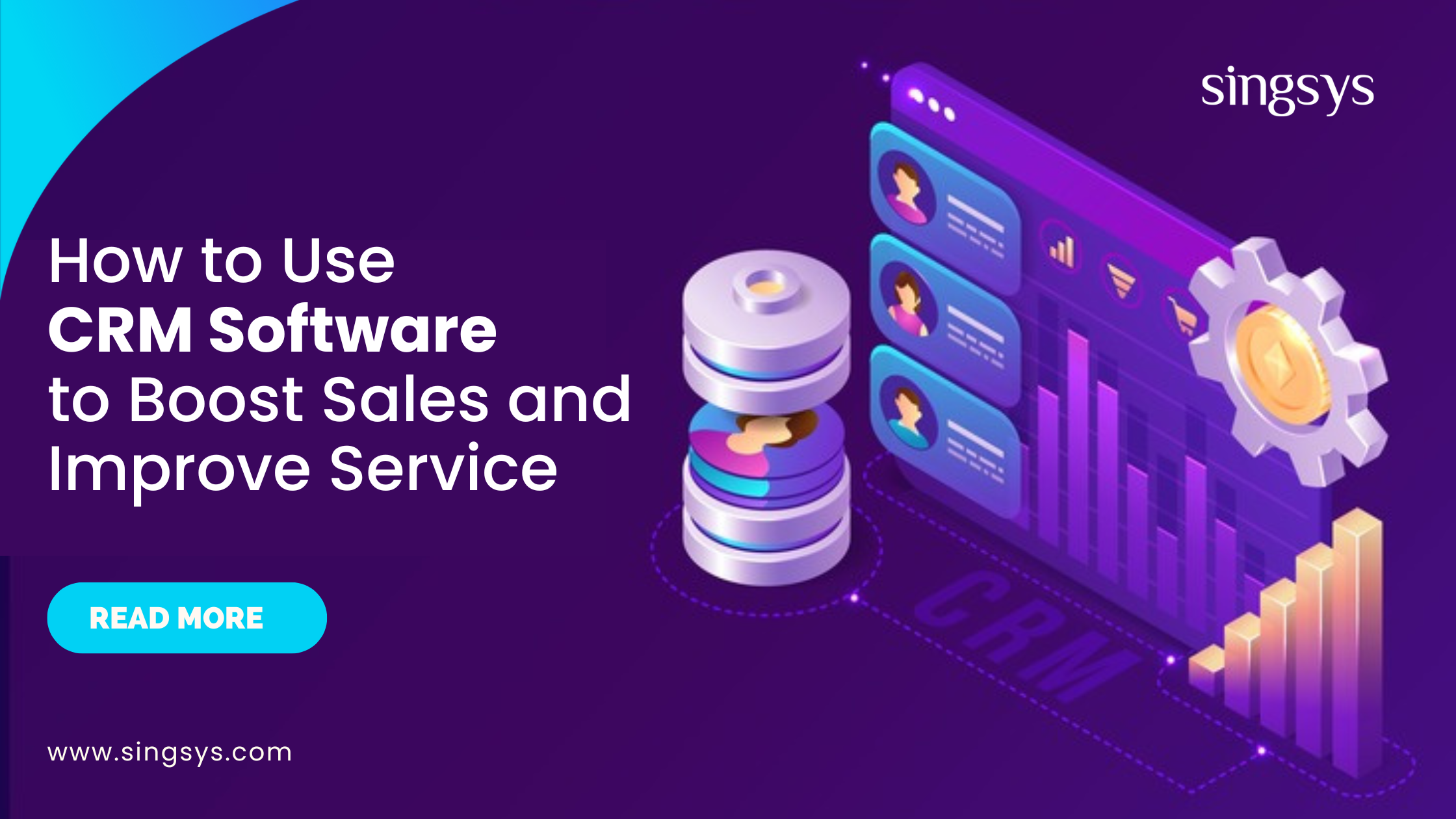
CRM software is a centralised platform that helps businesses manage customer data, track interactions, and streamline sales and service operations. It offers a structured, intelligent way to capture every lead, nurture every relationship, and resolve every issue efficiently.
Modern CRM solutions include features such as:
Contact and lead management
Sales pipeline tracking
Workflow automation
Customer support ticketing
Analytics and forecasting tools
Multi-channel communication features
There are also several types of CRM systems:
Operational CRM
Focuses on automating sales, marketing, and service processes to improve daily operations.
Analytical CRM
Helps businesses analyse customer data to understand behaviour, preferences, and buying patterns.
Collaborative CRM
Improves communication between departments to deliver consistent, unified customer experiences.
Regardless of the type, a CRM’s primary goal is to help businesses build stronger, long-lasting connections with their customers.
Why CRM Is a Game Changer for Sales and Service
A CRM system brings together your customer data, conversation history, and business information into one well-organised hub. This gives your team:
A complete understanding of every customer
The ability to personalise communication effortlessly
Access to real-time insights for informed decisions
Improved collaboration between sales, marketing, and service teams
By ensuring nothing falls through the cracks, CRM software becomes the foundation of customer success.
How CRM Software Helps Boost Sales
1. Efficient Lead and Opportunity Tracking
Instead of managing leads manually across emails, spreadsheets, and messaging platforms, a CRM captures everything automatically. It logs form submissions, email enquiries, social leads, and campaign responses in one place. Sales teams can qualify leads faster, prioritise high-value prospects, and follow up at exactly the right time.
2. Sales Process Automation
Automation is one of the biggest strengths of modern CRM systems. With automated reminders, follow-up emails, and workflow triggers, your sales team spends more time speaking with customers and less time on repetitive tasks. This not only improves productivity but also ensures that no lead is forgotten.
3. Advanced Sales Forecasting and Reporting
CRM dashboards show the health of your pipeline, expected revenue, and individual performance metrics. Detailed reports highlight key patterns, such as winning strategies, common bottlenecks, and seasonal demand trends. These insights help businesses plan ahead, improve strategies, and make data-backed decisions with confidence.
4. Stronger Customer Relationships
A CRM keeps detailed records of previous interactions, preferences, and purchase history. Sales teams can personalise proposals, nurture long-term relationships, and offer solutions that perfectly match customer needs. This builds trust and increases the chances of repeat business.
How CRM Software Improves Customer Service
1. Faster and More Organised Response Handling
Service teams can track every customer issue through a structured ticketing system. The CRM automatically assigns tickets, sets priority levels, and organises tasks — reducing delays and improving response times significantly.
2. Better Issue Resolution With Complete Context
Every support agent has access to the customer’s full history — past complaints, purchases, communication records, and feedback. This helps them resolve issues faster and ensures customers don’t have to repeat themselves across channels.
3. Consistent Multi-Channel Service
CRM systems integrate with email, live chat, WhatsApp, SMS, and social media. Whether a customer messages you on Instagram or submits a form on your website, your team sees everything in one dashboard. This ensures smoother, more consistent conversations.
4. Proactive Customer Engagement
Automated reminders, renewal alerts, product updates, and follow-up sequences allow your business to reach out proactively rather than reactively. This creates a better customer experience and reduces churn.
Practical Steps to Get the Most Out of Your CRM
1. Set Clear Sales and Service Goals
Define your objectives before implementation — such as faster response times, higher conversions, improved follow-ups, or better data organisation. Clear goals help customise the CRM more effectively.
2. Train and Educate Your Team
Success depends on adoption. Provide CRM onboarding sessions, training resources, and regular refresher workshops to ensure your team uses the platform correctly and consistently.
3. Customise the CRM to Fit Your Business
Every business is unique. Custom fields, tailored pipelines, specific automation rules, and personalised dashboards help create a workflow that truly matches your operations.
4. Integrate the CRM With Other Systems
Link your CRM with email marketing platforms, accounting tools, communication systems, and internal applications. Integrations eliminate errors and create a seamless flow of information.
5. Monitor Results and Improve Continuously
Use data from CRM reports to measure performance, identify gaps, and improve your strategies. Regular optimisation ensures long-term success and better ROI.
Common Mistakes to Avoid
Not entering or updating customer data regularly
Choosing complex workflows that confuse your team
Ignoring automation features
Poor internal communication during implementation
Selecting a CRM without testing or professional guidance
These mistakes can reduce the effectiveness of your CRM and affect team productivity.
Choosing the Right CRM Software
When selecting a CRM system, consider:
Your business size and future growth plans
The features your sales and service teams need
Ease of use and user interface
Customisation options
Integration capabilities
Availability of ongoing support
A well-chosen CRM should evolve with your organisation and support long-term growth.
How Singsys Can Help You Implement CRM Successfully
Businesses often invest in CRM software but fail to achieve the desired results due to poor implementation or lack of customisation. Singsys, a leading IT and software development company, specialises in helping organisations set up and optimise CRM systems tailored to their workflow.
From CRM integration and custom development to automation setup and employee training, Singsys ensures your business gets maximum value from your CRM investment.
Conclusion
CRM software is one of the most powerful tools for improving sales performance and enhancing customer service. It streamlines operations, automates tasks, and gives businesses the insights needed to build stronger customer relationships.
With the right strategy — and the right implementation partner — your CRM can become the centre of your business growth.
Ready to boost your sales and deliver exceptional customer service? Contact Singsys today to implement a customised CRM solution designed for your business success.
Tanu Vishwakarma, a seasoned social media marketer, possesses a passion for promoting businesses online. She specialises in crafting creative strategies to captivate potential customers. Her dedication to staying updated on industry trends ensures that her methods are always effective. Tanu thrives on helping businesses shine in the digital realm.
Managing a school today involves much more than classrooms and textbooks. From student records and attendance to online learning and communication, institutions need smart digital solutions to stay organised and […]
In today’s competitive market, businesses need more than just great products or services to grow. They need stronger customer relationships, faster follow-ups, better team coordination, and a clear view of […]
Software quality is not something that testers have to think about at the end of development anymore. It is something that everyone has to think about all the time when […]