
Google March 2026 Core Update: What SEOs Need to Know Now
Google’s March 2026 core update is rolling out now, and the SEO industry is once again in watch-and-wait mode. Whenever Google pushes a broad core update, rankings can shift quickly, […]
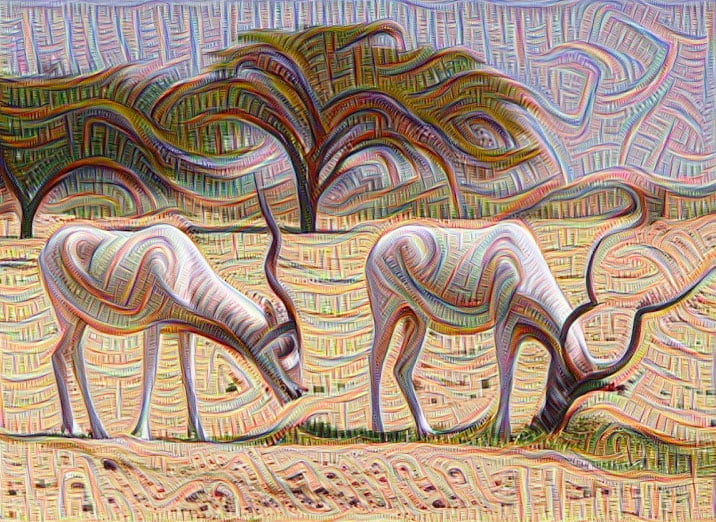
Google wants to put the art back in artificial intelligence.
During the last session at Moogfest, a four-day music and technology festival, in Durham, North Carolina, Douglas Eck, a researcher on Google Brain, the company’s artificial-intelligence research project, outlined a new group that’s going to focus on figuring out if computers can truly create.
The group, called Magenta, will launch more publicly at the start of June, but attendees at Moogfest were given a taste of what it’s going to be working on. Magenta will use TensorFlow, the machine-learning engine that Google built and opened up to the public at the end of 2015, to determine whether AI systems can be trained to create original pieces of music, art, or video. Read full article
GoogleTechnologiesWhat is New!What's Hot
Mar 31st, 2026
Google’s March 2026 core update is rolling out now, and the SEO industry is once again in watch-and-wait mode. Whenever Google pushes a broad core update, rankings can shift quickly, […]
Mar 10th, 2026
Technology continues to evolve rapidly, transforming industries, businesses, and everyday life. From artificial intelligence to advanced cybersecurity, the coming years will bring innovations that reshape how organisations operate and how […]
Nov 25th, 2025
Artificial intelligence has steadily moved from being a personal productivity assistant to becoming a powerful team collaborator. OpenAI’s latest feature—Group Chats in ChatGPT—marks one of the biggest steps yet toward […]