For years, advertising has been the backbone of business growth. Brands invested heavily in paid campaigns, impressions, clicks, and conversions. But today, the digital landscape is changing fast. Audiences are more informed, more selective, and far more resistant to traditional advertising.
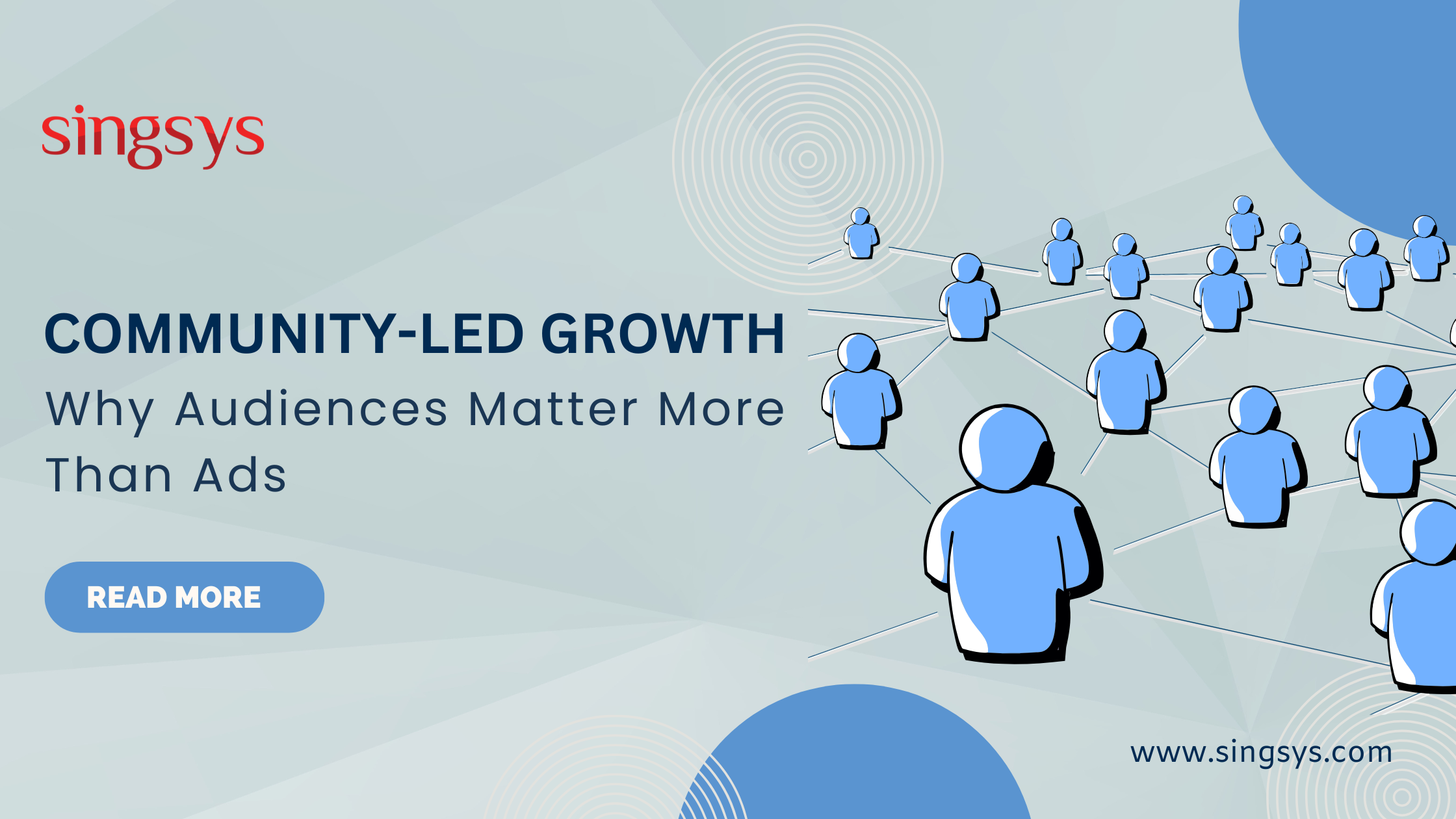
In this shift, a powerful growth model has emerged—community-led growth. Instead of shouting messages through ads, brands are now building meaningful relationships with audiences who trust them, engage with them, and advocate for them. In many cases, these communities drive more sustainable growth than ads ever could.
Paid ads still have a place, but they are no longer enough on their own. Rising costs, ad fatigue, and declining trust have reduced their long-term impact. Users scroll past sponsored posts, block ads, or simply ignore them.
At the same time, people are actively seeking connection. They follow creators, join groups, participate in discussions, and trust recommendations from peers far more than polished brand campaigns. This behavioural change has pushed businesses to rethink growth—not as a transaction, but as a relationship.
That is where community-led growth comes in.
What Is Community-Led Growth?
Community-led growth is a strategy where your audience becomes your growth engine. Instead of treating users as passive consumers, brands invite them to participate, contribute, and belong.
A community can take many forms:
A LinkedIn group of professionals
A Discord or WhatsApp group
A customer forum or Slack workspace
An engaged social media audience
Offline events and meet-ups
The common factor is not the platform—it is the sense of shared value and trust.
When done right, a community does not just consume content. It shapes products, spreads ideas, and builds credibility organically.
Why Ads Are Losing Their Impact
There are three major reasons ads are no longer the dominant growth driver they once were:
1. Ad Fatigue
Audiences see hundreds of ads every day. Overexposure has made people numb to promotional messaging, especially when it feels generic or intrusive.
2. Declining Trust
Modern consumers trust people more than brands. Reviews, testimonials, community discussions, and real experiences carry more weight than paid promotions.
3. Rising Costs
Paid advertising is becoming increasingly expensive. As competition grows, so does the cost per click—often without guaranteed loyalty or retention.
Ads may bring attention, but communities build belief.
The Real Power of a Strong Community
A strong community creates value far beyond reach and impressions.
Deeper Emotional Connection
Communities are built on shared challenges, interests, and goals. This emotional layer creates loyalty that ads simply cannot replicate.
Organic Word-of-Mouth
People naturally talk about brands they feel connected to. Community members become advocates who recommend products without being asked.
Long-Term Growth Asset
Unlike ads, which stop working once the budget ends, communities continue to grow and generate value over time.
Key Benefits of Community-Led Growth
Businesses that invest in communities often experience:
Higher retention rates Community members are more likely to stay loyal because they feel involved.
Better product feedback Direct conversations help brands improve faster and build what users actually need.
User-generated content Communities naturally create testimonials, case studies, and social proof.
Lower dependency on paid ads Organic engagement reduces the need for constant ad spend.
In essence, communities turn customers into collaborators.
Where Communities Thrive Today
Communities are not limited to one channel. They exist wherever meaningful conversations happen:
LinkedIn for professional and B2B communities
Instagram and X for creator-driven audiences
Discord and Slack for niche and tech communities
WhatsApp and Telegram for close-knit groups
Webinars, events, and meet-ups for deeper engagement
The platform matters less than the intent behind it.
How to Build a Community That Drives Growth
Community-led growth is not about creating another marketing channel. It requires patience, consistency, and authenticity.
Start With Shared Purpose
Understand what your audience cares about. What problems are they trying to solve? What conversations matter to them?
Create Value Before Selling
Educational content, insights, support, and honest discussions should come before promotion.
Encourage Two-Way Conversations
Communities thrive on dialogue, not broadcasts. Ask questions, listen actively, and respond genuinely.
Empower Your Members
Highlight contributions, invite feedback, and allow members to lead discussions. Ownership strengthens loyalty.
Common Mistakes Brands Make
Many brands fail at community building because they treat it like advertising.
Common mistakes include:
Over-promoting products
Ignoring feedback
Focusing only on numbers instead of engagement
Expecting quick results
Communities are built over time, not campaigns.
Community-Led Growth in Action
Startups use communities to validate ideas before launch. Established brands use them to deepen loyalty and reduce churn. Tech companies, SaaS platforms, and service providers increasingly rely on communities to educate users and build trust.
For example, digital transformation partners and software development companies that share knowledge, trends, and real insights often attract stronger audiences than those relying purely on ads.
At Singsys, community-driven content, thought leadership, and audience engagement help build trust long before any sales conversation begins—proving that relationships are the real growth multiplier.
The Future of Marketing Is Community-First
As algorithms change and advertising becomes more competitive, community-led growth will only become more important. Brands that invest in people—not just performance metrics—will stand out.
Technology will continue to evolve, but human connection will remain the foundation of sustainable growth.
Build Belonging, Not Just Clicks
Ads may bring visibility, but communities build credibility. In a world where trust is the new currency, businesses that focus on audiences over ads will win in the long run.
Community-led growth is not a trend—it is a mindset. One that values relationships, conversations, and shared success over short-term clicks.
FAQs
1. What is community-led growth?
Community-led growth is a strategy where businesses grow by building strong relationships with their audience. Instead of relying mainly on paid ads, brands focus on creating communities that encourage trust, engagement, and long-term loyalty.
2. How is community-led growth different from traditional advertising?
Traditional advertising focuses on reach and conversions, while community-led growth focuses on connection and participation. Ads create awareness, but communities create trust, advocacy, and repeat engagement over time.
3. Can small businesses benefit from community-led growth?
Yes. Small businesses and startups can benefit greatly from community-led growth because it does not require large ad budgets. A focused, engaged community often delivers better results than expensive advertising campaigns.
4. Which platforms are best for building a brand community?
The best platform depends on where your audience already spends time. LinkedIn works well for professional and B2B communities, while Instagram, Discord, WhatsApp, and Slack are popular for niche and interest-based communities.
5. How long does it take to see results from community-led growth?
Community-led growth is a long-term strategy. While early engagement can appear within weeks, meaningful results such as loyalty, referrals, and organic growth usually develop over months through consistent interaction and value creation.
Tanu Vishwakarma, a seasoned social media marketer, possesses a passion for promoting businesses online. She specialises in crafting creative strategies to captivate potential customers. Her dedication to staying updated on industry trends ensures that her methods are always effective. Tanu thrives on helping businesses shine in the digital realm.
When optimising a website for search engines, many businesses focus on keywords, backlinks, page speed and meta descriptions. But there is another simple element that deserves attention: the H1 tag. […]
For years, Google Ads has been one of the first platforms marketers think about when they hear “paid search.” It remains a powerful channel, but the paid search landscape is […]
Noida has quickly become one of the major business and technology hubs in the Delhi-NCR region. With startups, eCommerce brands, IT companies, real estate businesses, healthcare providers and established enterprises […]