Artificial Intelligence has rapidly transformed from an emerging trend into a powerful force reshaping industries worldwide. As we step into 2026, AI app development has reached a new level of maturity, driven by advanced machine learning models, generative AI, intelligent automation, and real-time analytics.
According to IDC, global spending on AI solutions is projected to surpass $500 billion by 2026, highlighting how deeply businesses now rely on AI-powered applications to improve operations, enhance customer experience, and drive innovation.
In this fast-moving digital landscape, customer expectations have changed dramatically. People want quick responses, personalised communication, and seamless support no matter where they interact with a brand. This makes CRM (Customer Relationship Management) software an essential tool for modern businesses.
A CRM system is no longer just a digital address book — it is a strategic asset that empowers companies to strengthen relationships, improve performance, and drive consistent growth.
Businesses succeed or fail based on the quality of experiences they deliver online. Whether it’s a website, mobile app, or SaaS product, customers expect seamless, intuitive, and visually engaging interactions. This is where UI/UX design becomes a decisive factor. It is not just a design layer — it is a strategic foundation for digital performance, brand trust, and long-term customer loyalty.
Brands that prioritise UI/UX achieve higher engagement, stronger conversions, and a lasting competitive edge. Companies like Singsys, known for designing human-centred digital products, continue to prove that exceptional UI/UX is at the heart of digital transformation.
The world of customer experience is evolving faster than ever, and chatbots are now at the heart of digital transformation. Whether it’s customer support, sales automation, lead qualification, appointment booking, or internal workflow optimisation—businesses across all sectors are turning to intelligent chatbots to reduce operational costs and deliver round-the-clock service.
But the most common question remains the same: How much does a chatbot cost in 2025?
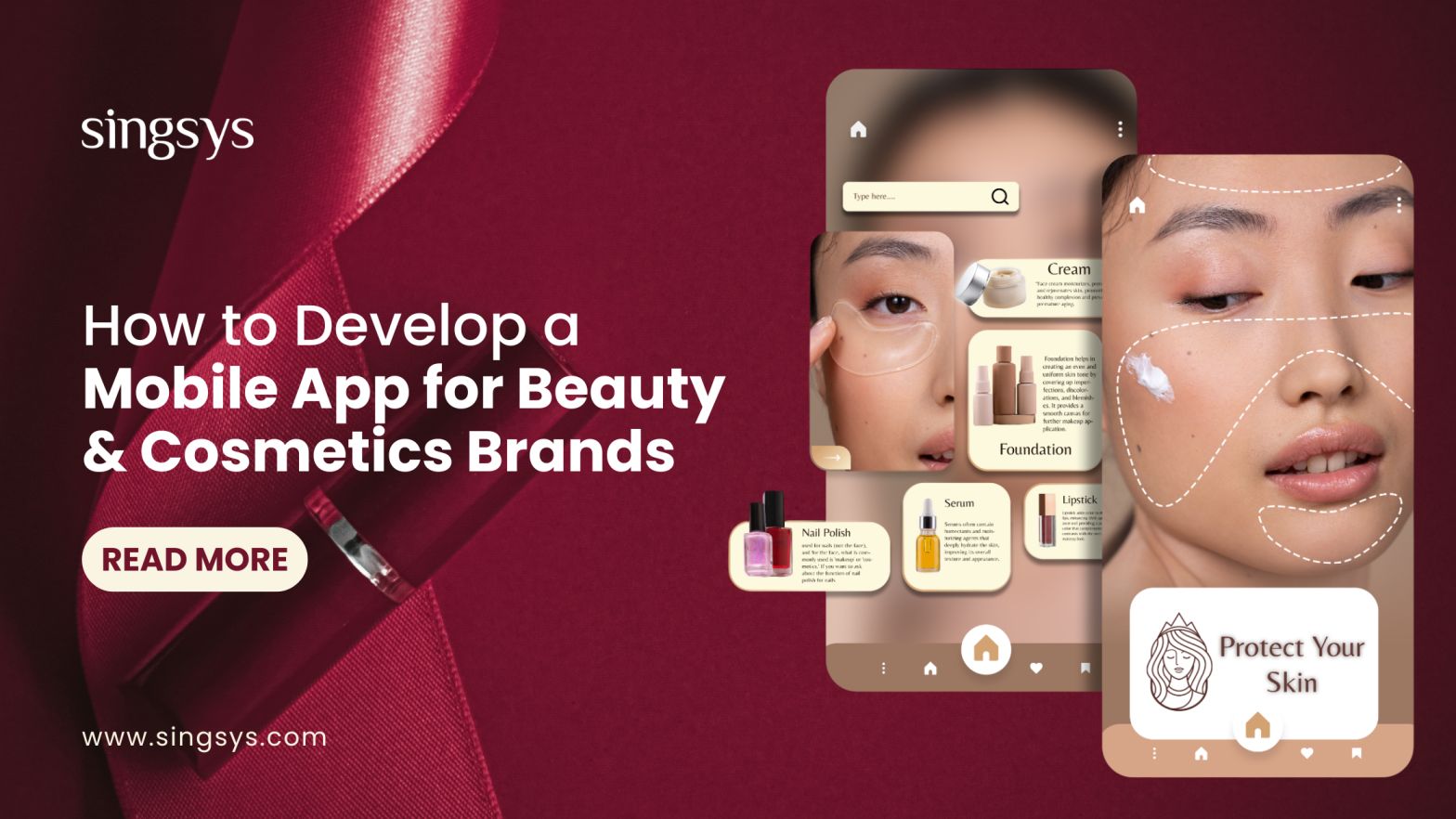
The global beauty and cosmetics industry is evolving at lightning speed, driven by new-age consumers who crave personalisation, convenience, and immersive digital experiences. Mobile apps are at the centre of this transformation.
Today, customers don’t just browse products — they want virtual try-ons, expert recommendations, beauty tutorials, and quick checkouts right from their phones.