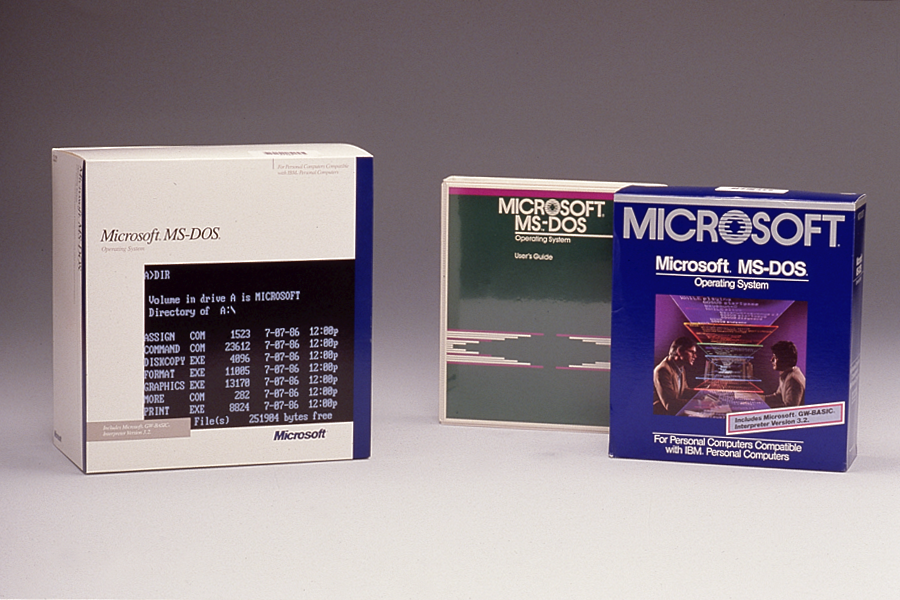
Microsoft with the help of the Computer History Museum has released the source code for MS DOS 1.1 and 2.0 and Word for Windows 1.1a. The code is now available to the public.
Microsoft Research managing director Roy Levin said today: “Thanks to the Computer History Museum, these important pieces of source code will be preserved and made available to the community for historical and technical scholarship,” It will definitely help coming generation better understand the concept of personal computing.
“MS-DOS and Word for Windows built the foundation for Microsoft’s success in the technology industry,” says Levin. “By contributing these source codes to the Computer History Museum archives, Microsoft is making these historic systems from the early era of personal computing available to the community for historical and technical scholarship”.
This source code joins other important programs also, including Adobe Photoshop 1.0 and Apple II DOS. Len Shustek, CHM chairman said, “We think preserving historic source code like [MS-DOS and Word] is key to understanding how software has evolved from primitive roots to become a crucial part of our civilization.”
MS Dos was initially released in August 1980 and Microsoft hired Paterson in May 1981, and then bought 86-DOS 1.10 for $75,000 in July, and renamed it MS-DOS. MS-DOS had just 300kB of source code and occupied as little as 12kB of memory.
Source code are available for download on the Computer History Museum’s website.
Image Credit: Robert Scoble
Related Posts...
TechnologiesWhat is New!
Jun 2nd, 2026
Artificial Intelligence has evolved from a futuristic concept into a powerful business tool. In 2026, organisations across industries are leveraging AI to automate workflows, enhance customer experiences, improve decision-making, and […]
Read more
May 28th, 2026
In early 2026, Microsoft made a surprising move that sent ripples through the tech industry—the company began canceling Claude Code licenses for most of its direct employees. Just six months […]
Read more
Mar 10th, 2026
Technology continues to evolve rapidly, transforming industries, businesses, and everyday life. From artificial intelligence to advanced cybersecurity, the coming years will bring innovations that reshape how organisations operate and how […]
Read more
