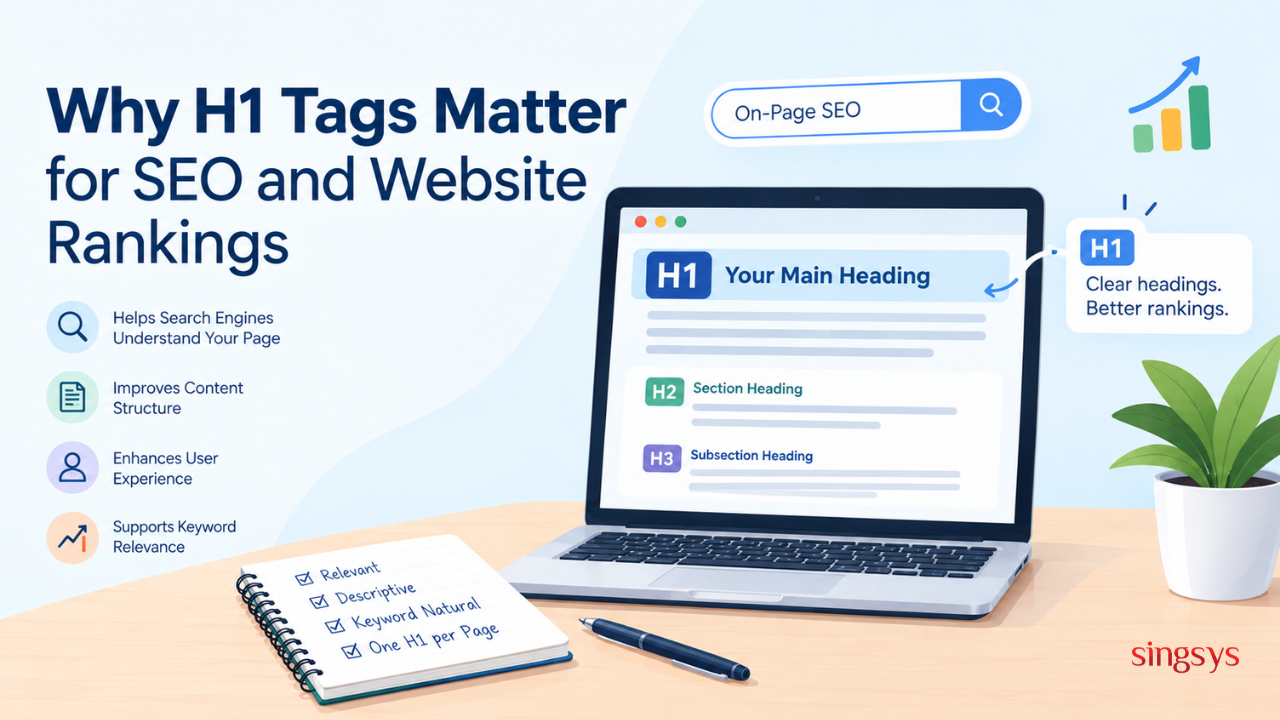
When optimising a website for search engines, many businesses focus on keywords, backlinks, page speed and meta descriptions. But there is another simple element that deserves attention: the H1 tag.
An H1 tag is the main heading of a webpage. It tells visitors what the page is about and helps search engines understand the primary topic of the content. While an H1 tag alone will not take a page to the top of Google, using it properly is an important part of a well-structured on-page SEO strategy.
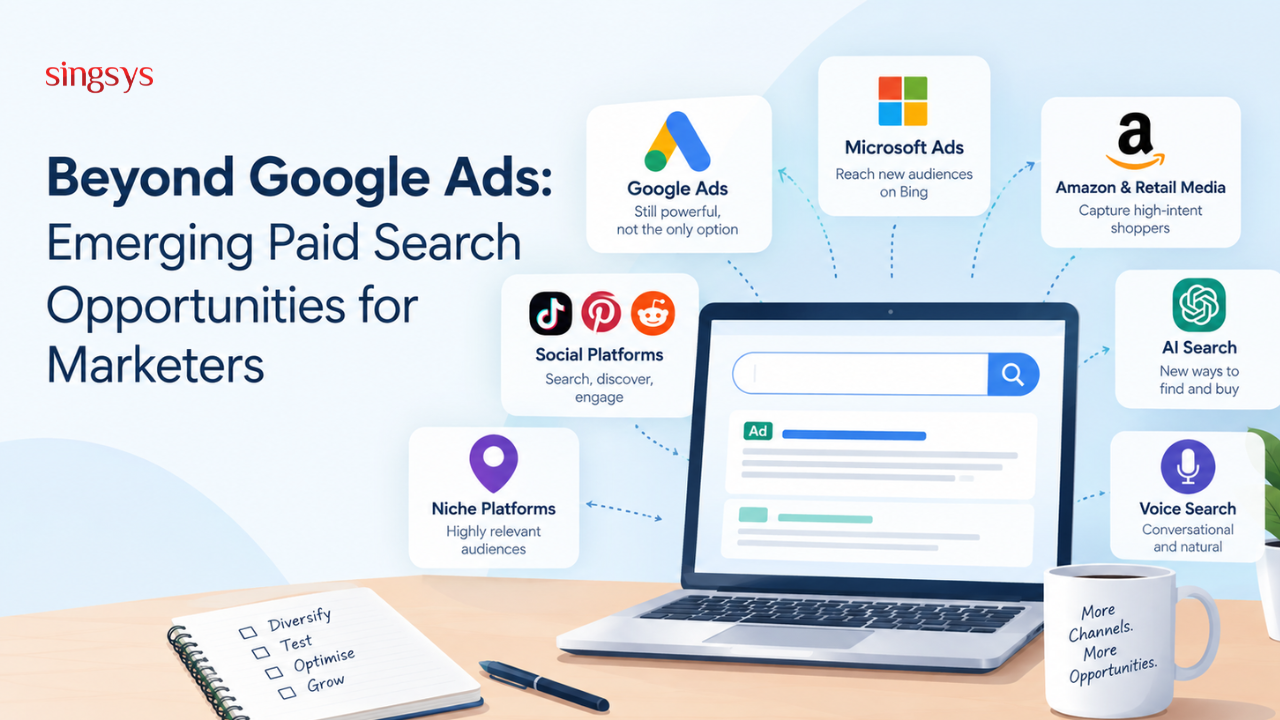
For years, Google Ads has been one of the first platforms marketers think about when they hear “paid search.” It remains a powerful channel, but the paid search landscape is changing quickly.
People are no longer searching only on traditional search engines. They are discovering products through marketplaces, social platforms, AI-powered search tools, retail websites and specialised platforms. At the same time, changing user behaviour and rising advertising costs are encouraging marketers to diversify their paid search strategies.
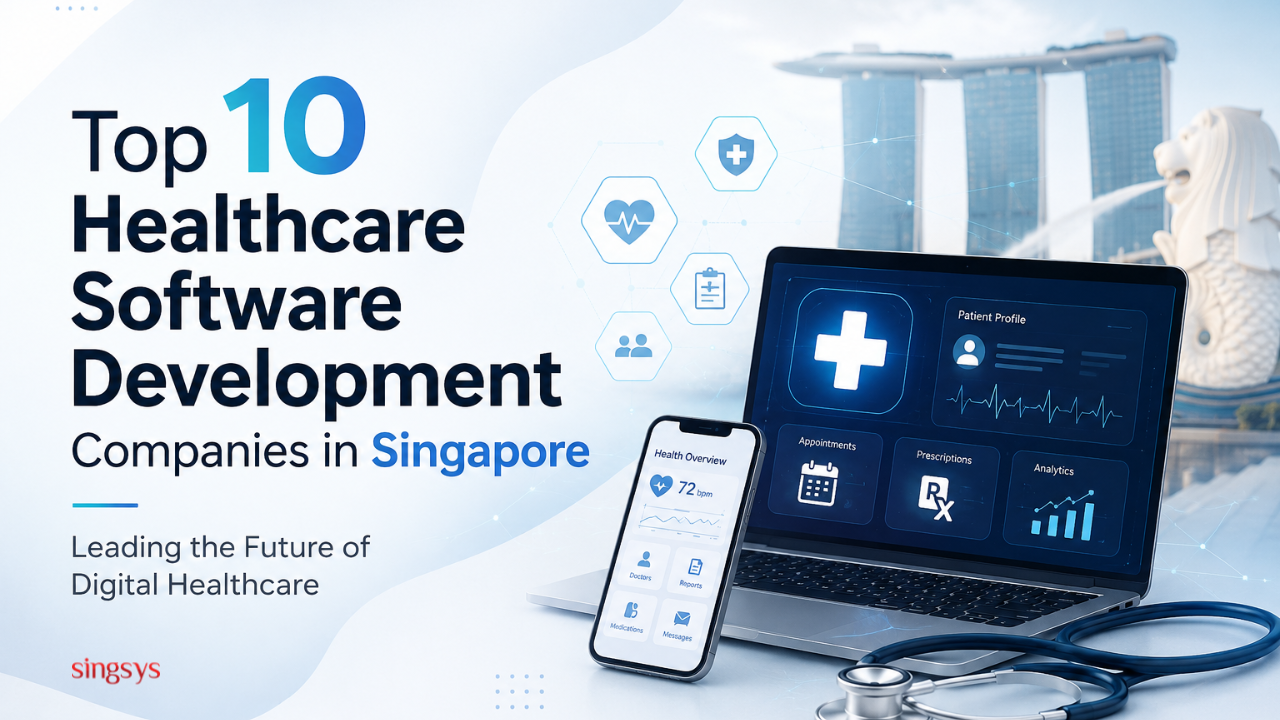
Singapore has built a strong reputation as a technology and healthcare hub in Asia. From telemedicine and patient engagement platforms to hospital management systems, AI-powered healthcare solutions and digital health applications, technology is becoming an increasingly important part of how healthcare organisations operate.
For hospitals, clinics, healthcare startups and medical technology companies, choosing the right development partner is not simply about finding a team that can build an app. Healthcare software needs to be secure, reliable, scalable and designed around real clinical and operational workflows.
The solar energy industry is growing rapidly as businesses, homeowners and organisations increasingly invest in renewable energy. But while solar technology continues to evolve, many solar companies still rely on spreadsheets, disconnected software and manual processes to manage their sales, installations and customer relationships.
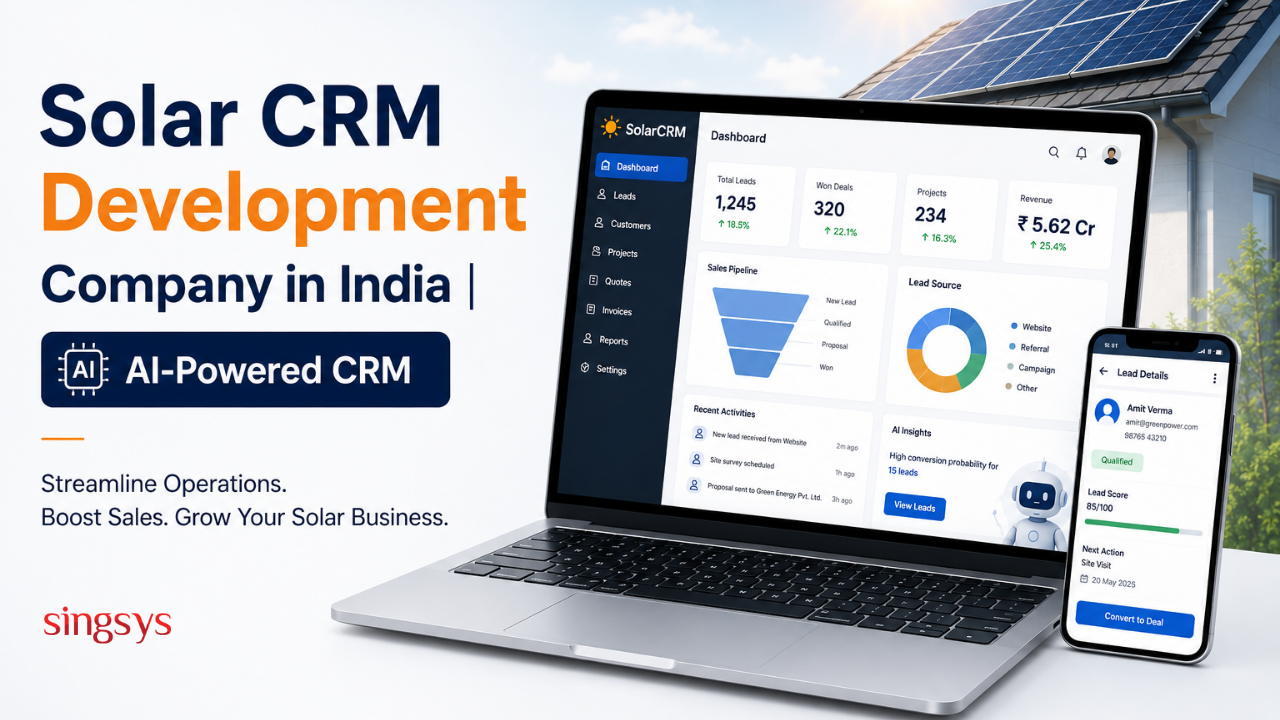
This is where a dedicated Solar CRM Development Company in India can make a real difference.
A solar CRM is more than a traditional customer relationship management system. It is designed around the specific workflow of solar businesses—from capturing leads and preparing quotations to managing site surveys, installations, payments and after-sales service.
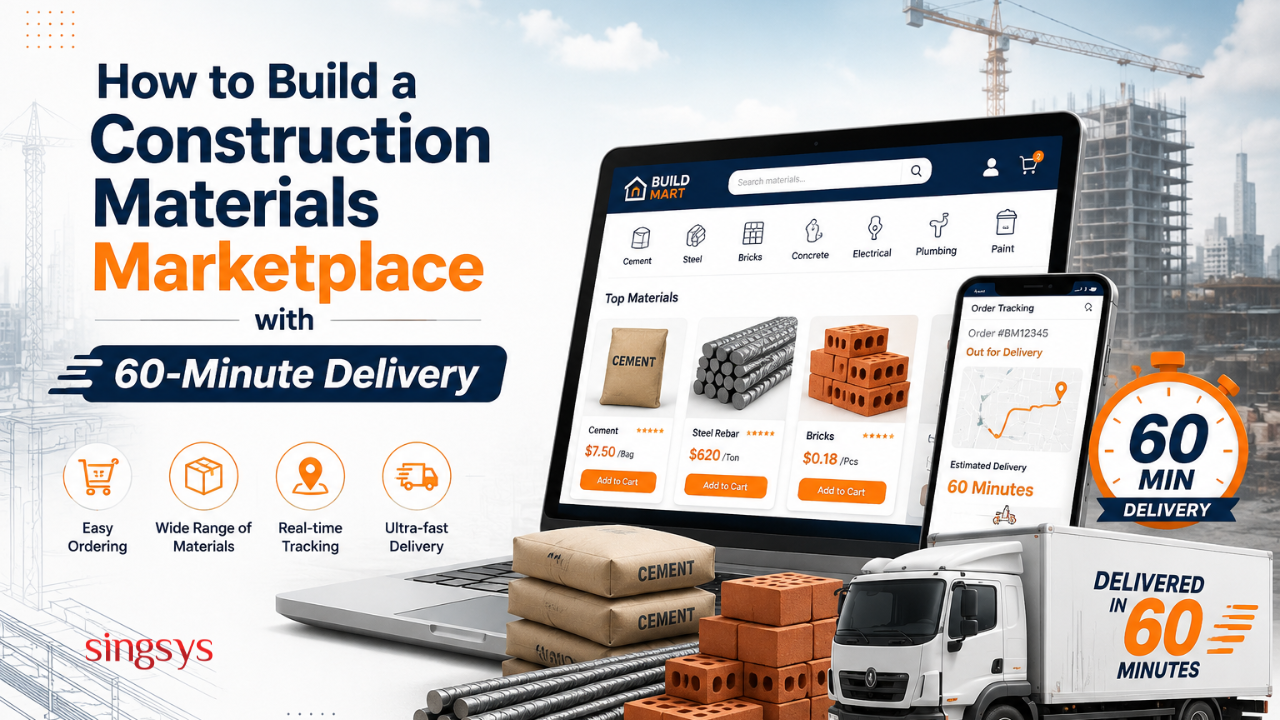
The construction industry is changing quickly. Contractors, builders, interior designers and individual customers increasingly expect the same convenience from construction material suppliers that they get from modern e-commerce and quick-commerce platforms.
Instead of calling multiple suppliers, visiting stores or waiting several days for materials to arrive, customers want to search, compare, order and track products online.
This has created an interesting opportunity for businesses: construction materials marketplaces with fast, potentially 60-minute delivery.