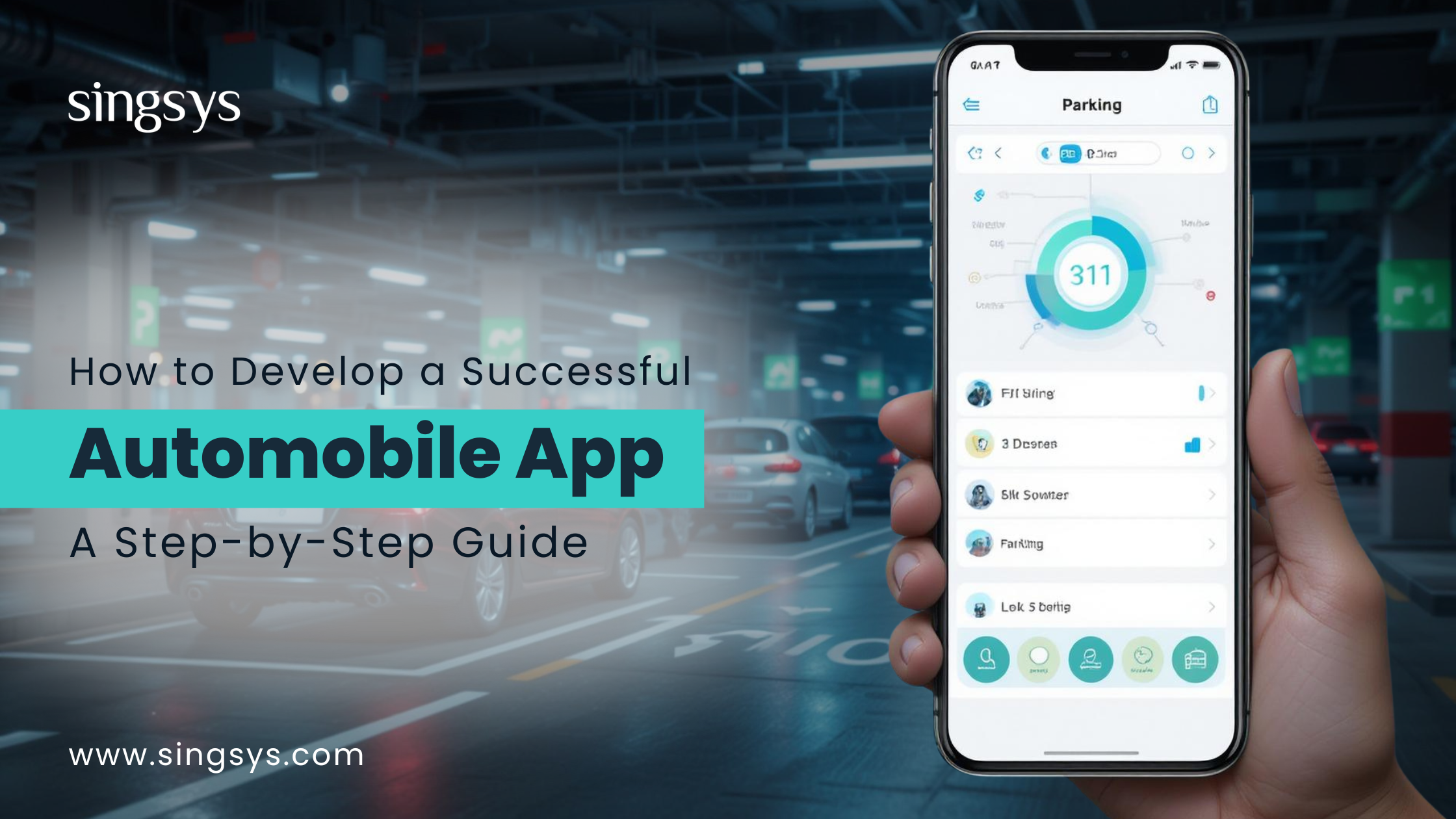
The automobile industry is undergoing a massive digital transformation. From connected cars and electric vehicles to ride-sharing and fleet management, mobile applications have become a core part of modern mobility.
Today’s vehicle owners expect real-time updates, remote access, predictive maintenance alerts, and seamless digital experiences — all powered by smart automobile apps.
Whether you are an automobile manufacturer, a mobility startup, a fleet operator, or a service provider, developing a successful automobile app can unlock new revenue streams, improve customer loyalty, and streamline operations.
This guide walks you through every stage of automobile app development, covering the process, features, technology, timeline, and cost, so you can plan your app with confidence.
Car servicing, insurance, and roadside assistance apps
Each category serves a different audience but shares one goal: delivering convenience, safety, and efficiency through technology.
Step 1: Define Your App Idea and Business Objectives
Every successful automobile app starts with a clear purpose. Before writing a single line of code, businesses must identify the problem they are solving.
Key questions to address:
Who is your target audience?
What pain points does your app solve?
How will your app generate revenue?
What makes your solution different from competitors?
This phase includes market research, competitor analysis, and user persona creation, ensuring your app aligns with real user needs rather than assumptions.
Step 2: Identify Must-Have Features for an Automobile App
Investing wisely during the planning stage helps avoid costly rework later.
Security & Compliance in Automobile Apps
Automobile apps handle sensitive user and vehicle data, making security non-negotiable.
Essential security measures include:
Data encryption
Secure authentication
API protection
Compliance with data protection regulations
Regular security audits
A secure app builds user trust and protects your brand reputation.
Common Challenges in Automobile App Development
Integrating vehicle hardware and telematics systems
Ensuring real-time data accuracy
Managing scalability during growth
Meeting regulatory and compliance requirements
Balancing innovation with reliability
Partnering with an experienced development team helps overcome these challenges efficiently.
Future Trends in Automobile App Development
Connected and autonomous vehicles
AI-driven vehicle insights
EV-first app experiences
Smart city integrations
Voice-controlled and wearable-compatible apps
Businesses that adopt these trends early gain a strong competitive advantage.
Build Your Automobile App with Singsys
Developing a successful automobile app requires more than just coding — it demands industry expertise, strategic planning, robust technology, and long-term support.
Singsys specialises in end-to-end automobile app development, helping startups and enterprises turn innovative mobility ideas into scalable, secure, and high-performing digital solutions. From idea validation and UI/UX design to development, testing, and post-launch support, Singsys delivers apps built for the future of mobility.
Ready to Build Your Automobile App?
Partner with Singsys to create a powerful automobile app that drives growth, enhances user experience, and keeps your business ahead of the curve. Get in touch with Singsys today for a free consultation and take the first step towards your next mobility innovation.
Tanu Vishwakarma, a seasoned social media marketer, possesses a passion for promoting businesses online. She specialises in crafting creative strategies to captivate potential customers. Her dedication to staying updated on industry trends ensures that her methods are always effective. Tanu thrives on helping businesses shine in the digital realm.
Mobile apps play a vital role in how retail businesses connect with customers. Leading retailers like Best Buy have successfully built powerful mobile applications that allow users to browse products, […]
The food industry is evolving faster than ever. With rising digital adoption, on-demand culture, and shifting consumer behaviour, the cloud kitchen business model is becoming a dominant force in 2026. […]
Startups live in a fast-moving environment where speed, efficiency, and scalability define success. One of the biggest decisions they face is choosing the right technology for mobile app development. Traditionally, […]