Generally, mobile apps in Android, iOS, and Windows Phone are built using completely different programming languages; an Android app uses Java, an iOS app uses Objective-C, while a Windows Phone app uses .NET.
But now, anyone having the basic knowledge of HTML, CSS, and JavaScript can build a mobile application. The key benefit of using web technology to build your app is Portability. Using a packager/compiler, like PhoneGap, developers will be able to port and install app on many different platforms.
There are many tools and framework that make this possible. They reduce the work to half to bridge the gap between web and mobile platforms. In this article, we’ll decided to cover the best of mobile app frameworks available in the market as of today.
1. Sencha Touch
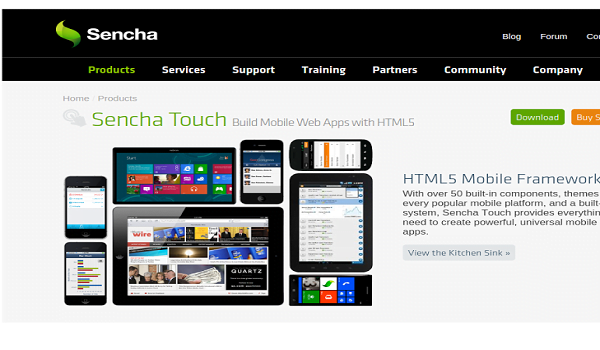
2. IONIC
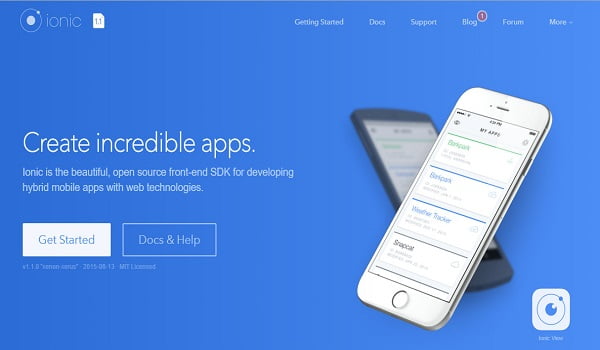
3. Mobile Angular UI
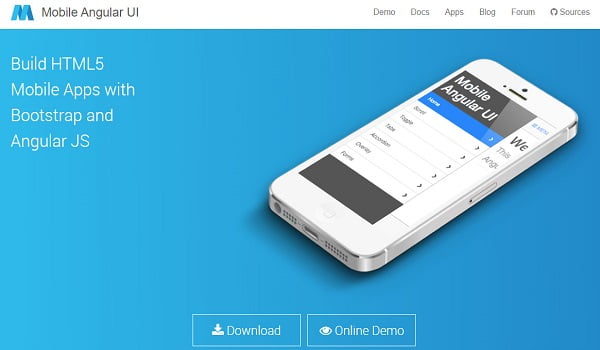
4. Sculpt
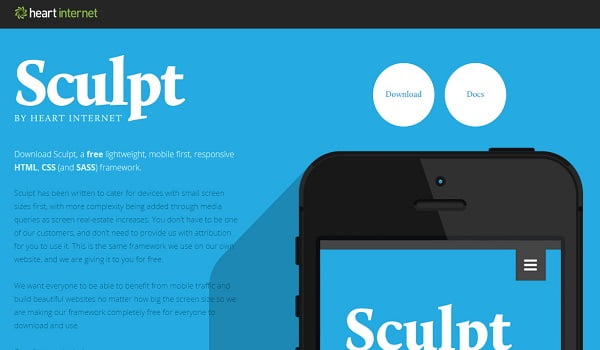
5. Kendo UI

6. Monaca

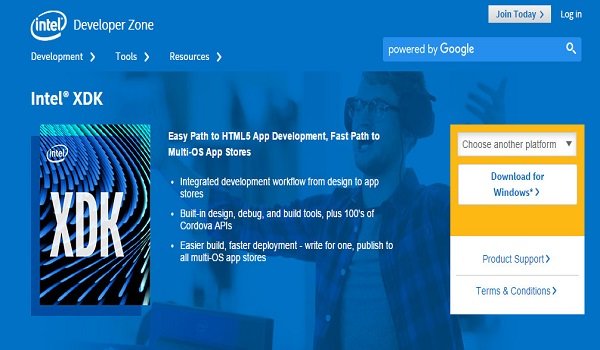
7. Intel XDK
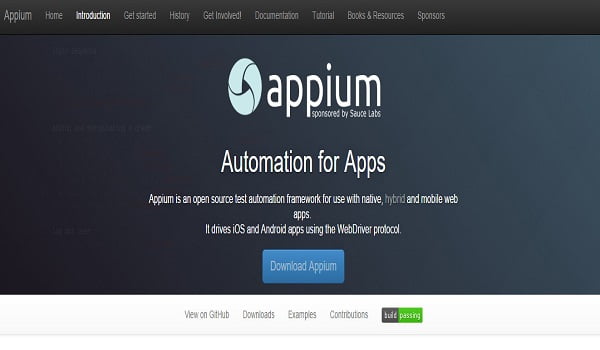
8. Appium
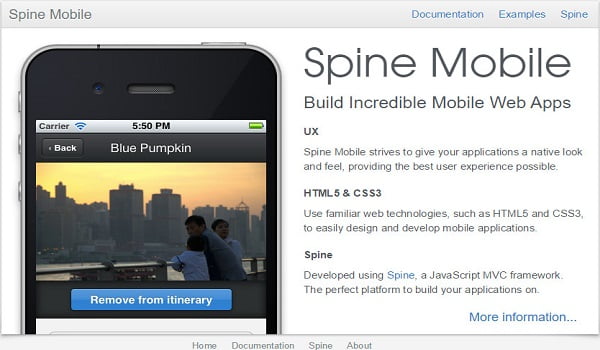
9. Spine.js
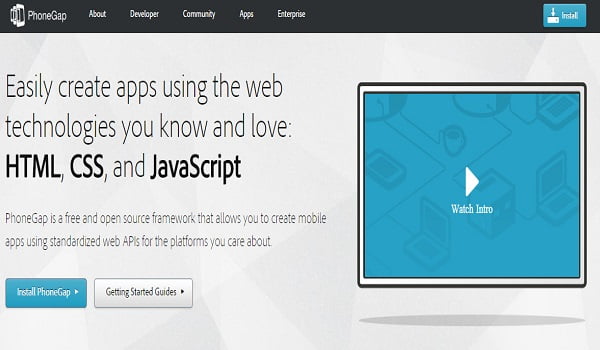
10. PhoneGap
Related Posts...
GeneralMobile AppsTechnologiesWhat is New!What's Hot
Sep 29th, 2026
Mobile applications have become an essential investment for businesses in Singapore looking to improve customer engagement, streamline operations, and expand their digital presence. From startups launching their first product to […]
Read more
Sep 24th, 2026
India’s grocery shopping landscape is rapidly becoming more digital, creating opportunities for startups to build convenient and scalable grocery delivery platforms. Consumers increasingly expect to discover products, compare prices, place […]
Read more
Sep 22nd, 2026
The mobile app market continues to create new opportunities for businesses, entrepreneurs, and startups. As users increasingly rely on smartphones for shopping, financial management, entertainment, education, healthcare, productivity, and everyday […]
Read more
