The solar energy industry is growing rapidly as businesses, homeowners and organisations increasingly invest in renewable energy. But while solar technology continues to evolve, many solar companies still rely on spreadsheets, disconnected software and manual processes to manage their sales, installations and customer relationships.
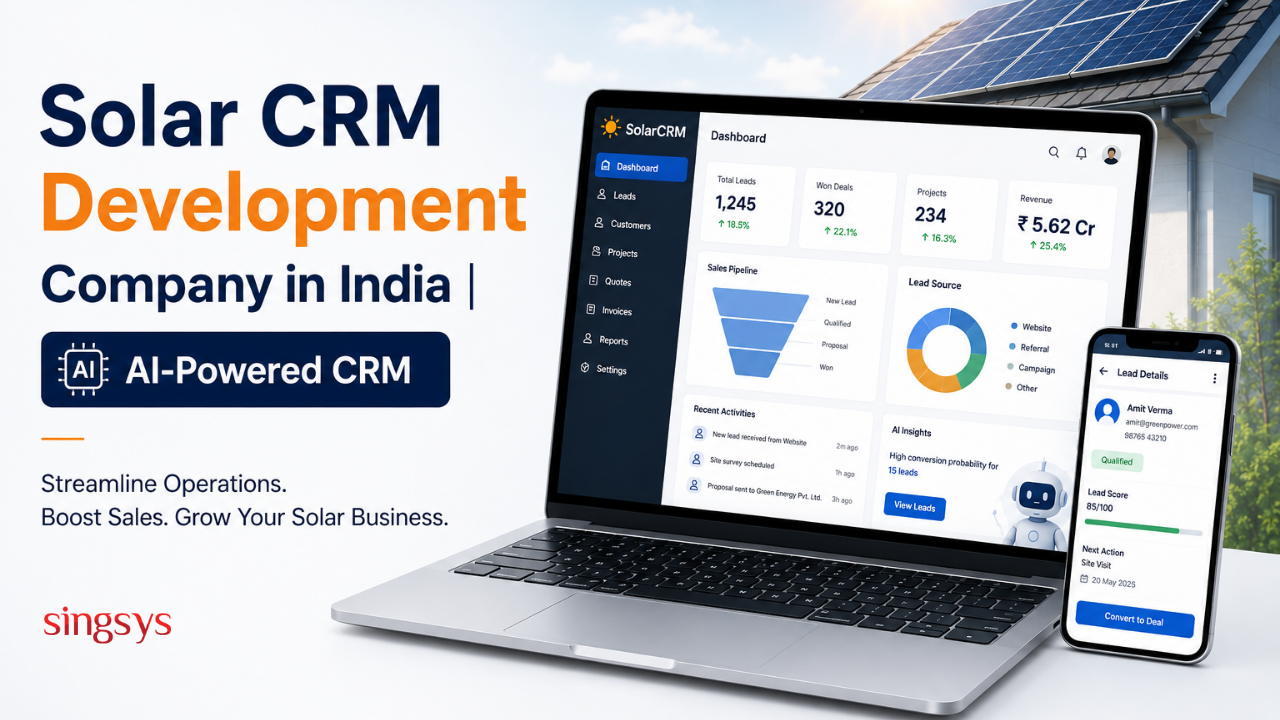
This is where a dedicated Solar CRM Development Company in India can make a real difference.
A solar CRM is more than a traditional customer relationship management system. It is designed around the specific workflow of solar businesses—from capturing leads and preparing quotations to managing site surveys, installations, payments and after-sales service.
The construction industry is changing quickly. Contractors, builders, interior designers and individual customers increasingly expect the same convenience from construction material suppliers that they get from modern e-commerce and quick-commerce platforms.
Instead of calling multiple suppliers, visiting stores or waiting several days for materials to arrive, customers want to search, compare, order and track products online.
This has created an interesting opportunity for businesses: construction materials marketplaces with fast, potentially 60-minute delivery.
Artificial intelligence has changed the way software is built. From generating code and writing tests to debugging applications and analysing technical documentation, AI tools are becoming a regular part of modern development workflows.
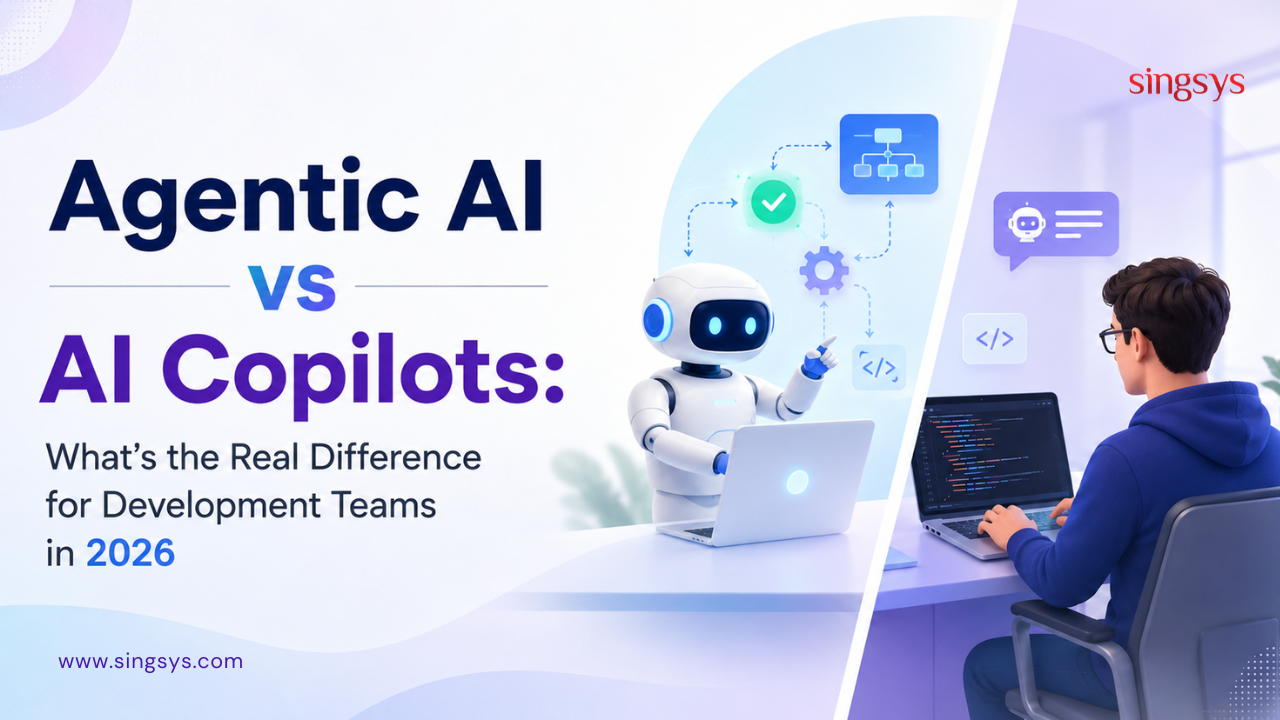
But in 2026, development teams are facing a more important question: Should we use an AI copilot, or is it time to move towards agentic AI?
Although the two technologies are often discussed together, they are not the same. AI copilots are primarily designed to assist developers with specific tasks, while agentic AI can take a more autonomous approach to completing multi-step development objectives.
Artificial intelligence is no longer limited to futuristic products or experimental projects. Businesses across industries are now using AI to automate repetitive work, understand customer behaviour, improve decision-making and create more personalised experiences.
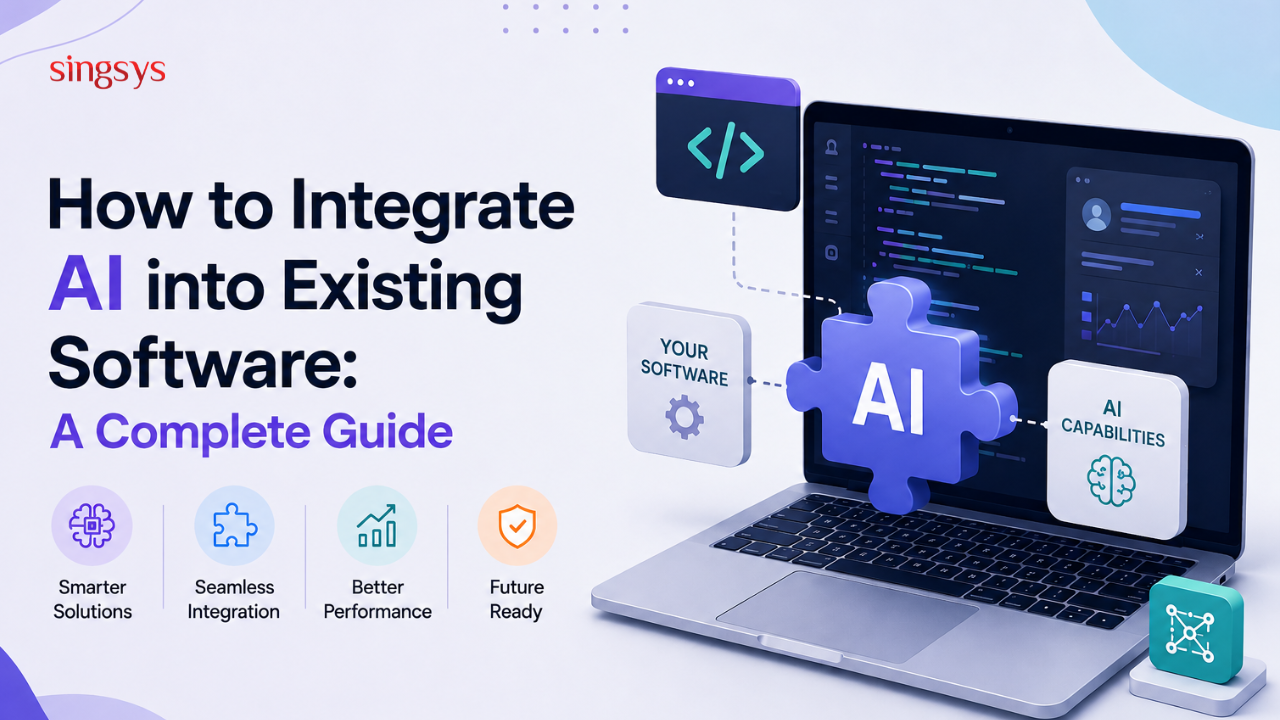
However, adopting AI does not always mean building an entirely new application. In many cases, businesses already have software, databases, APIs and workflows that work well. The smarter approach can be to integrate AI into existing software and gradually add intelligent capabilities where they can create the most value.
When an app has only a few users, database performance may not seem like a major concern. Queries return quickly, pages load smoothly, and everything appears to work as expected. But as your user base grows, the database can quickly become one of the biggest performance bottlenecks.
High-traffic applications handle thousands or even millions of database requests every day. If queries are inefficient, indexes are missing, or the database is not properly scaled, users may experience slow loading times, failed requests and frustrating delays.
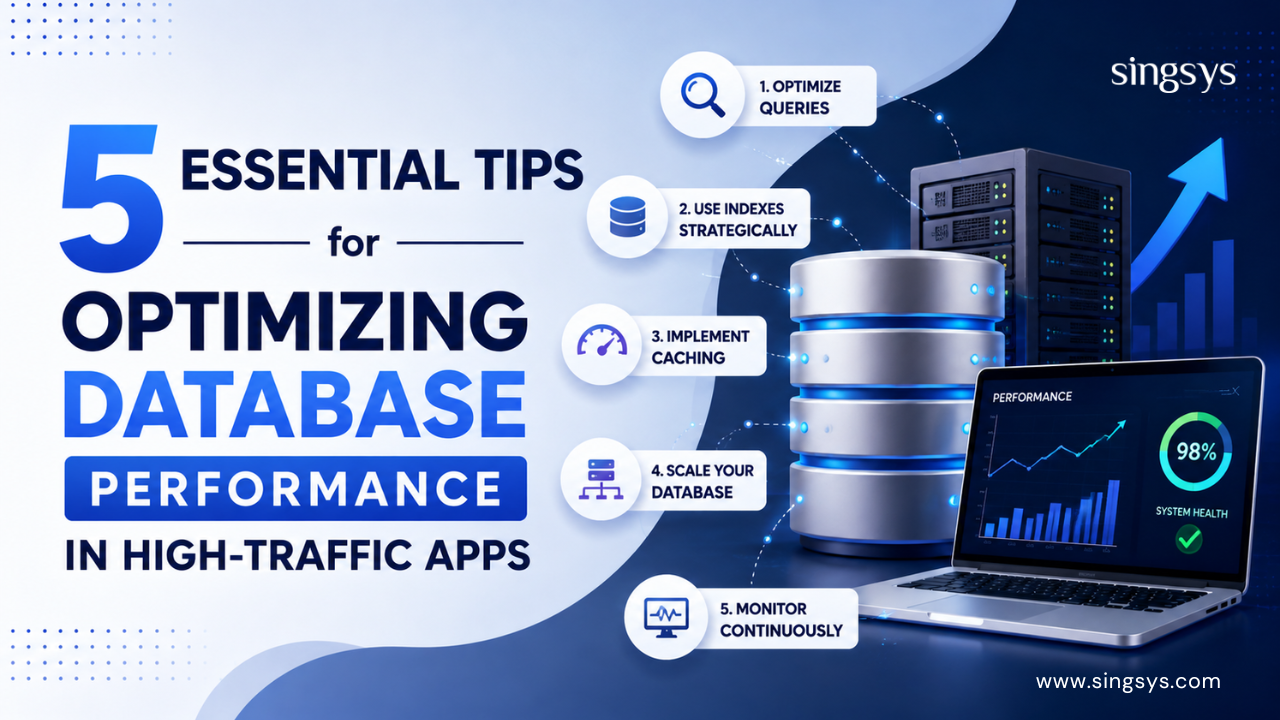
The good news is that database performance can be improved with the right strategy. Here are five essential tips for optimising database performance in high-traffic apps.