Artificial intelligence has changed the way software is built. From generating code and writing tests to debugging applications and analysing technical documentation, AI tools are becoming a regular part of modern development workflows.
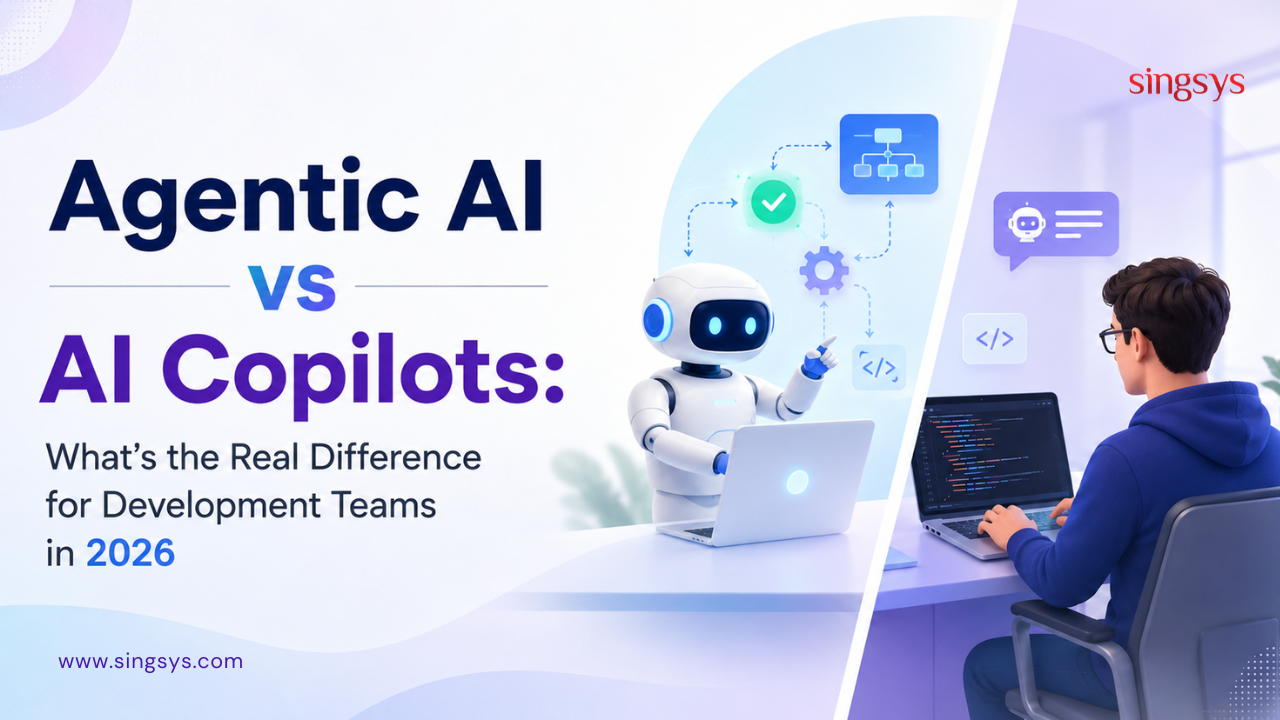
But in 2026, development teams are facing a more important question: Should we use an AI copilot, or is it time to move towards agentic AI?
Although the two technologies are often discussed together, they are not the same. AI copilots are primarily designed to assist developers with specific tasks, while agentic AI can take a more autonomous approach to completing multi-step development objectives.
The way people interact with technology is changing. For years, typing, tapping, and clicking were the standard ways to use digital products. Today, voice is becoming a natural part of that experience. From asking a smartphone for directions to controlling smart home devices or speaking with an AI assistant, people are increasingly using their voices to get things done.
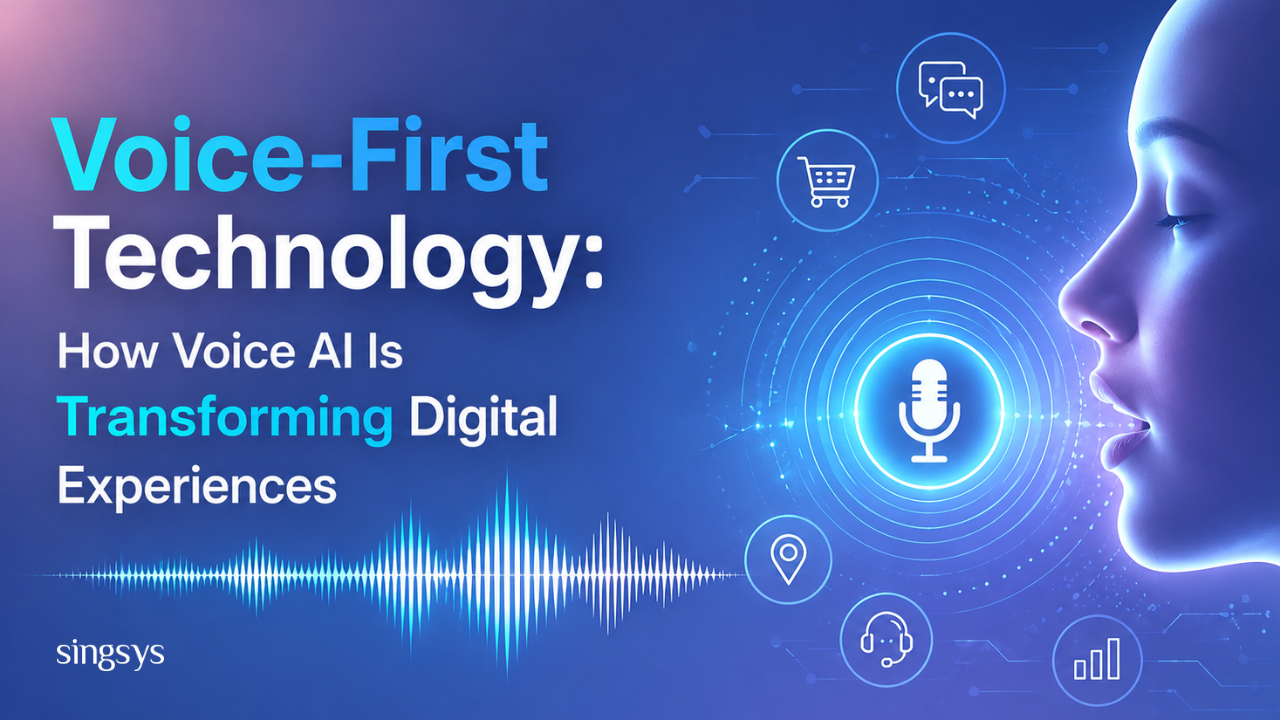
This shift is driving the rise of voice-first technology, where voice becomes a primary interface rather than simply an additional feature. With advances in artificial intelligence, natural language processing (NLP), and machine learning, voice-enabled systems are becoming faster, more accurate, and better at understanding human intent.