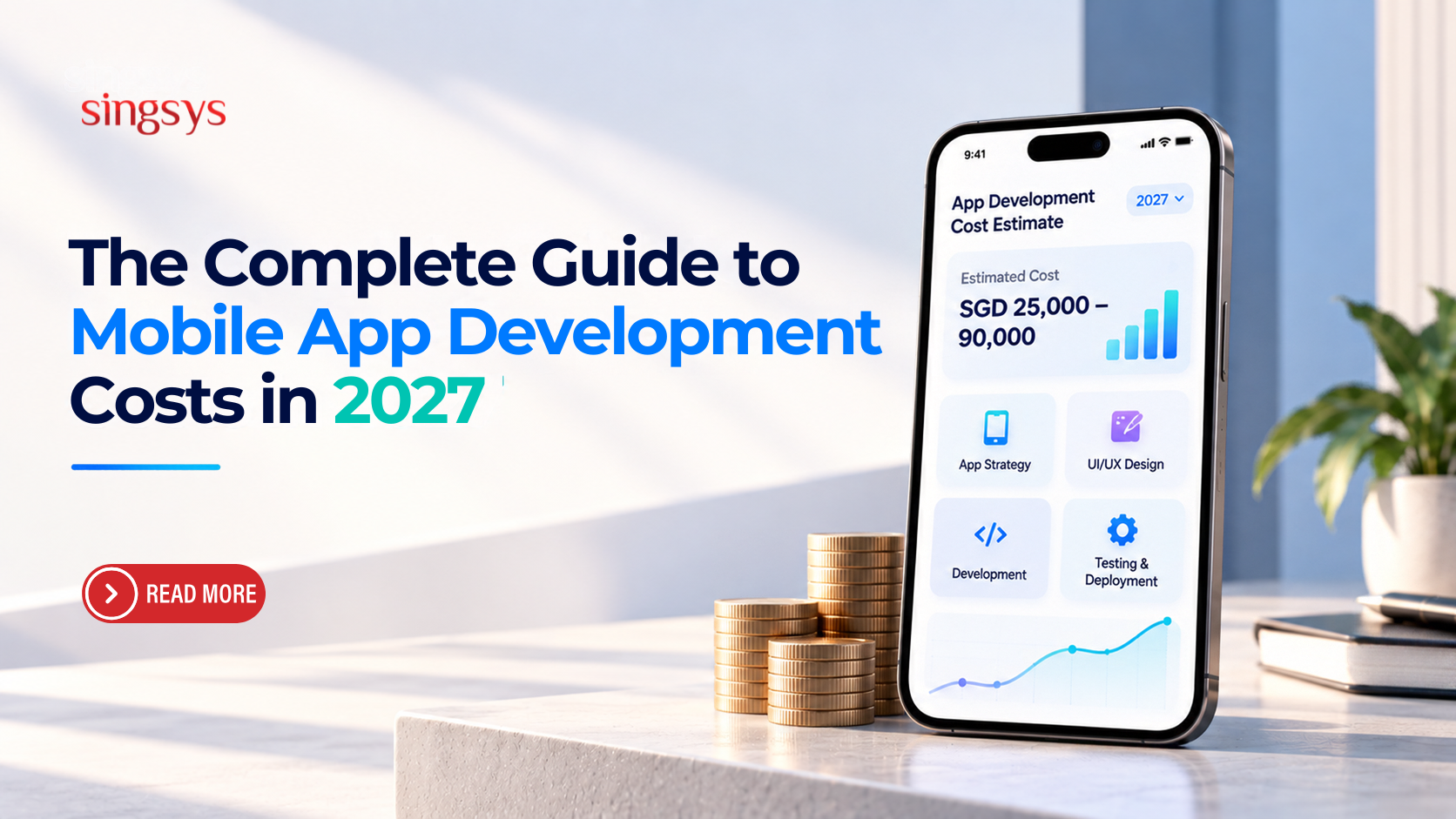
Mobile applications have become an essential investment for businesses in Singapore looking to improve customer engagement, streamline operations, and expand their digital presence. From startups launching their first product to established enterprises modernising their services, understanding the cost of mobile app development is an important part of planning a successful project.
But how much does it actually cost to develop a mobile app in Singapore in 2027?
The answer depends on several factors, including app complexity, features, UI/UX design, platform selection, backend infrastructure, integrations, and the development team’s expertise. Understanding these costs can help businesses set realistic budgets, prioritise essential features, and choose a suitable development partner.
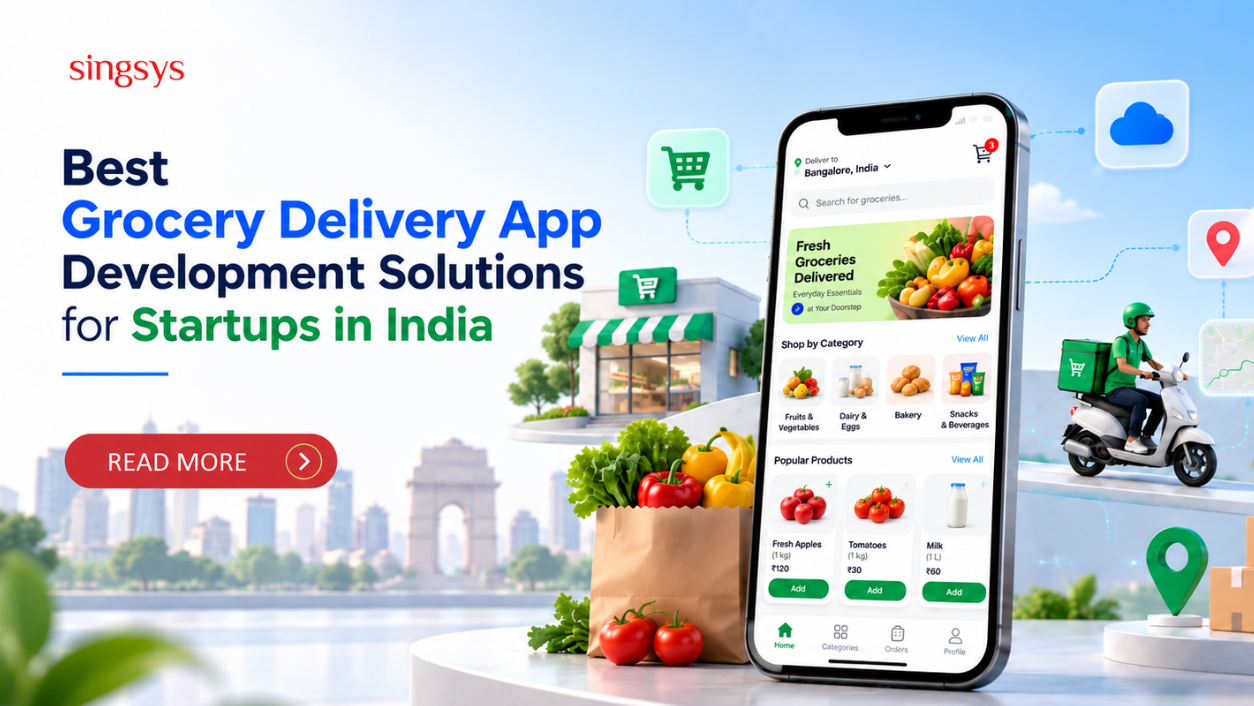
India’s grocery shopping landscape is rapidly becoming more digital, creating opportunities for startups to build convenient and scalable grocery delivery platforms. Consumers increasingly expect to discover products, compare prices, place orders, make digital payments, and track deliveries directly from their smartphones.
For startups, launching a grocery delivery app can open multiple revenue opportunities. However, success depends on more than simply creating an online store. A competitive platform needs a smooth user experience, reliable inventory management, efficient delivery operations, secure payments, and technology that can scale as the business grows.
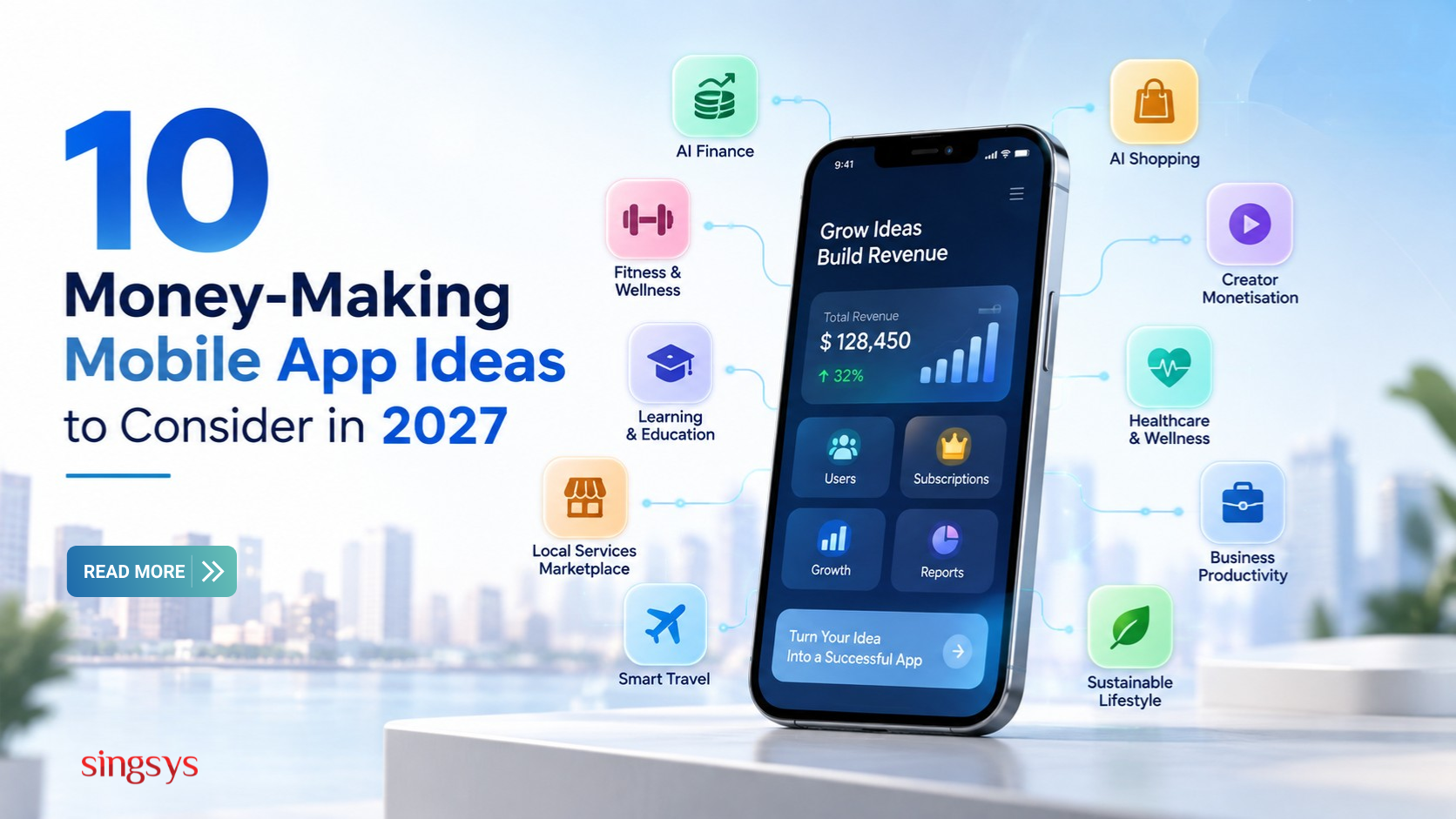
The mobile app market continues to create new opportunities for businesses, entrepreneurs, and startups. As users increasingly rely on smartphones for shopping, financial management, entertainment, education, healthcare, productivity, and everyday services, businesses are looking for innovative mobile app ideas that can generate sustainable revenue.
In 2027, successful apps are likely to go beyond basic functionality. Artificial intelligence, personalisation, automation, subscription-based services, and seamless digital experiences can play an important role in creating apps that users are willing to pay for.
If you are planning to build a mobile application, choosing the right concept and monetisation strategy is just as important as the technology behind it.
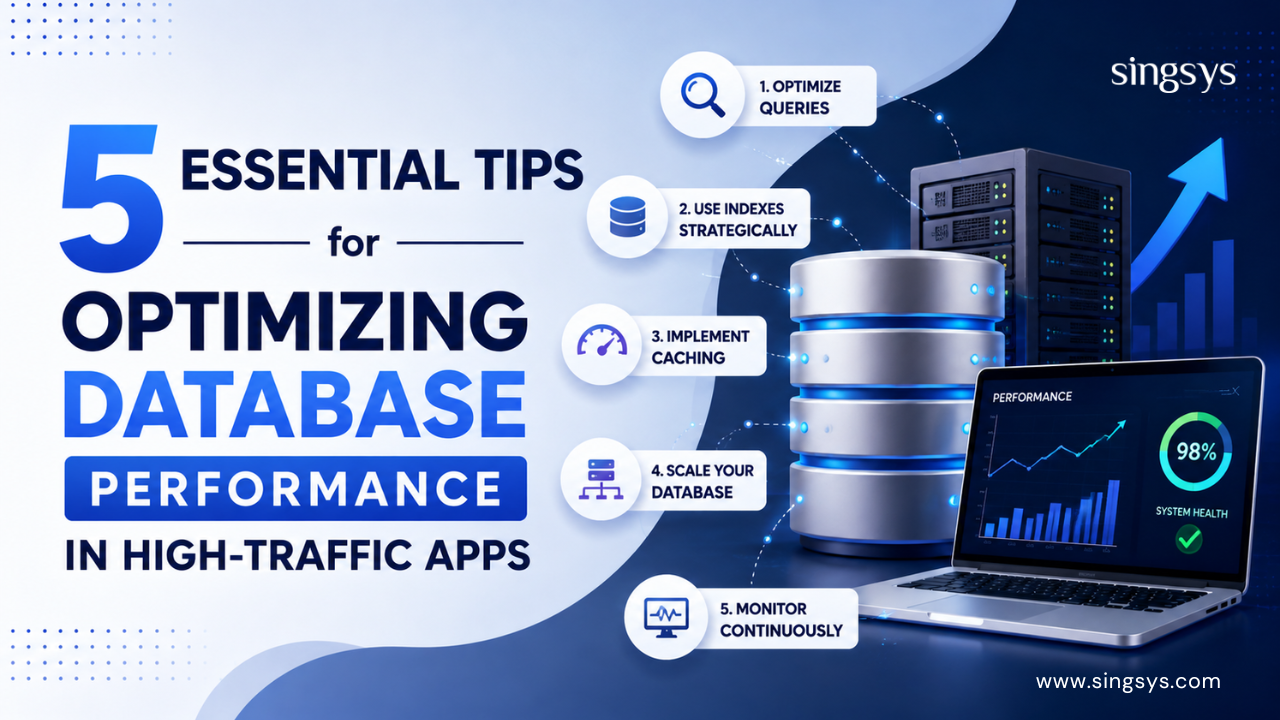
When an app has only a few users, database performance may not seem like a major concern. Queries return quickly, pages load smoothly, and everything appears to work as expected. But as your user base grows, the database can quickly become one of the biggest performance bottlenecks.
High-traffic applications handle thousands or even millions of database requests every day. If queries are inefficient, indexes are missing, or the database is not properly scaled, users may experience slow loading times, failed requests and frustrating delays.
The good news is that database performance can be improved with the right strategy. Here are five essential tips for optimising database performance in high-traffic apps.
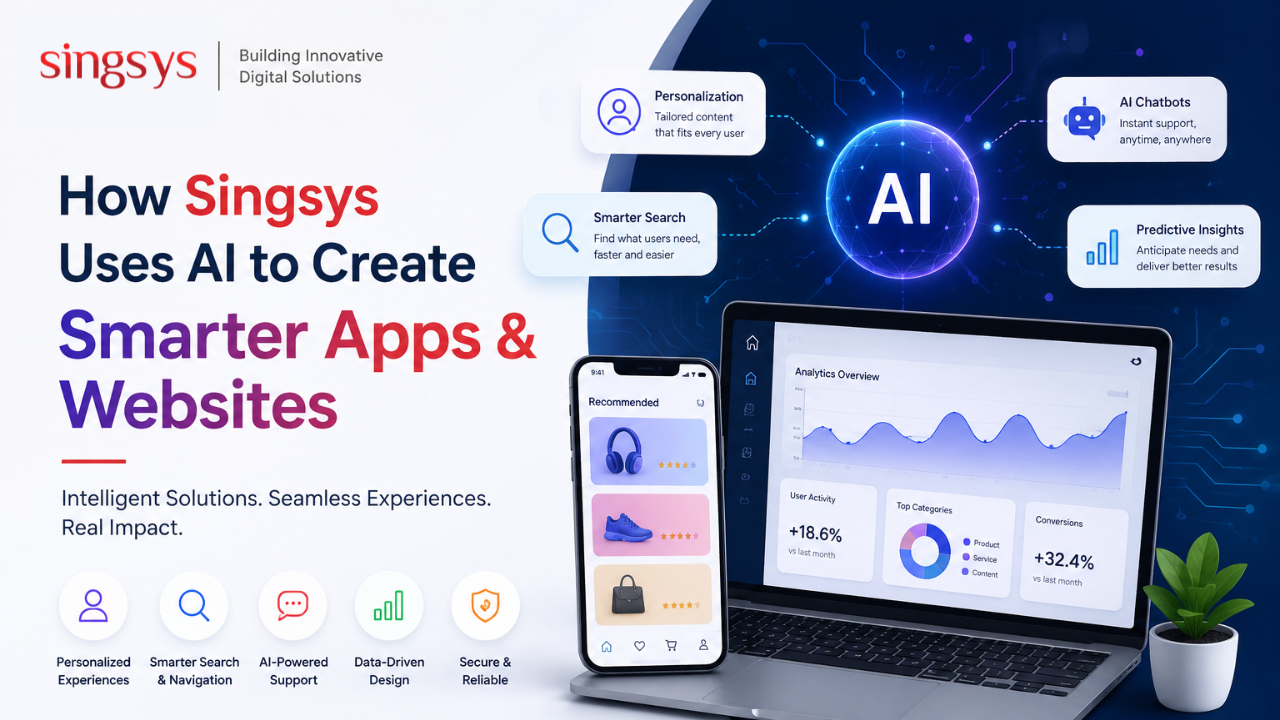
Artificial Intelligence is no longer just a buzzword used by large tech companies. It has become a practical part of everyday digital experiences. People now expect apps and websites to be fast, helpful, personalised, and easy to use. They want platforms that understand what they need and guide them without making the journey complicated.
This is where AI is making a real difference.
At Singsys, AI is used to build smarter apps and websites that do more than just look good. The focus is on creating digital experiences that feel intuitive, efficient, and user-friendly. By combining strong development expertise with intelligent AI features, Singsys helps businesses deliver better experiences for their users.