For decades, Google has been the go-to search engine for users worldwide. Its algorithms are powerful, its speed is unmatched, and it integrates seamlessly into our digital lives. But in 2025, a growing number of users are seeking smarter, more private, and AI-enhanced alternatives that better align with their values and needs.
From AI-powered results to privacy-first platforms, there are now compelling reasons to explore alternatives. This blog introduces the top 10 smarter search engines to try instead of Google in 2025—and why they deserve your attention.
Before we dive into the list, here’s why more people are switching:
Privacy Concerns: Google collects a vast amount of user data for advertising and personalisation.
Ad Overload: Search results are increasingly crowded with paid placements.
Filter Bubbles: Personalisation can limit exposure to new or diverse information.
Rise of AI & Innovation: New engines are integrating smarter tools and features, often with better transparency.
Whether you’re privacy-conscious, curious about new tech, or looking for niche tools, alternatives exist that are smarter and more focused.
Top 10 Smarter Search Engines in 2025
Search engines were once simply tools to help us find information online—or so we used to think. But as we explored further, it became clear that each search engine represents something deeper: how we seek information, what we prioritise, and what we expect from the internet when we type in a query.
In 2025, those expectations have changed dramatically. Privacy has become a top concern. Many users now favour AI-driven responses, while others prefer more traditional or region-specific results. Some value ethical business models, while others want results in their native language. The act of searching has become more personal—and more intelligent.
In the following section, we will highlight the top search engines shaping how people discover information today. Each one is ranked based on user base, global market share, relevance, and unique features that set it apart in a rapidly evolving digital landscape.
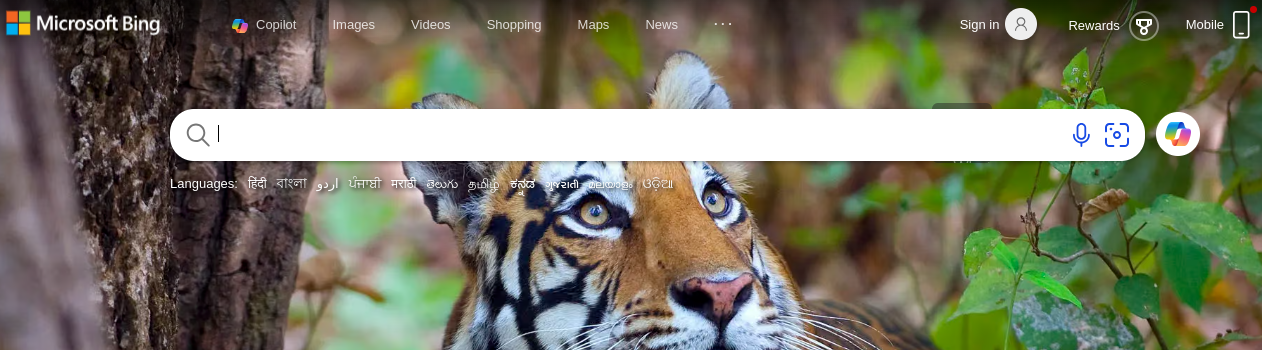
Microsoft Bing has seen a massive transformation in recent years, especially with the integration of Microsoft Copilot, a powerful AI assistant built on OpenAI’s GPT models. This upgrade has positioned Bing as one of the smartest alternatives to Google in 2025. Users now benefit from real-time AI-powered summaries, chatbot-style interactions, and visual search capabilities. With its seamless integration into Windows 11, Microsoft Edge, and Office tools, Bing makes multitasking smarter and more productive.
Key Highlights:
Chat-powered search with Copilot.
Image creator using DALL·E AI.
Rich multimedia search results.
Strong integration with Microsoft ecosystem.
Best for: Professionals, Windows users, and AI enthusiasts.
Yandex is Russia’s most popular search engine and is often called “the Google of Russia.” It supports intelligent search with AI-powered results, voice assistant integration, and regional indexing. While primarily focused on Russian-language content, Yandex also provides useful tools like maps, translation, and image search.
Key Features:
Strong localised search for Russian content
Built-in voice assistant (Alice)
Offers cloud storage, maps, translation, and more
Best For: Users interested in Eastern European content or exploring alternative AI features outside of Western ecosystems.
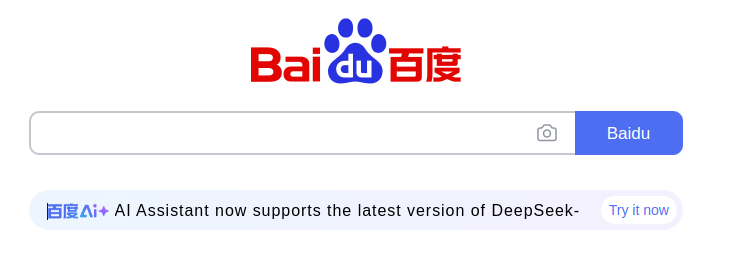
Baidu is China’s leading search engine and a technological giant in AI. It’s heavily optimised for Chinese-language content and integrates voice search, image recognition, and smart assistant tools. While it’s less useful for global audiences, it’s indispensable for accessing information behind the Great Firewall.
Key Features:
Advanced Chinese language processing
AI features including voice and image recognition
Localised services like maps, encyclopaedia, and cloud
Best For: Users interested in Chinese content, language learning, or accessing Asia-specific data.
DuckDuckGo remains the go-to search engine for users prioritising privacy. It doesn’t track your search history, IP address, or personal information, offering complete anonymity. Despite being privacy-centric, DuckDuckGo still provides quality search results by pulling from over 400 sources, including Wikipedia and Bing. Its simple interface and clean browsing experience make it one of the top smarter choices.
Key Highlights:
Zero tracking or profiling.
Instant Answers feature for quick responses.
Browser extension for private browsing.
Best for: Privacy advocates and users fed up with targeted ads.
Brave Search is a rising player built by the team behind the Brave browser. Unlike other engines that rely on third-party indexes, Brave uses its own independent index, offering users unbiased and transparent search results. It’s privacy-first and also offers AI summarisation tools in its premium version.
Key Highlights:
Independent index (not reliant on Google or Bing).
Goggles feature for customised search filters.
AI-powered answers through Leo (Brave AI).
Best for: Users seeking control, transparency, and independence.
Neeva started as a subscription-based, ad-free search engine and evolved into NeevaAI, combining large language models with live search data for smart, contextual answers. While Neeva’s core offering was acquired by Snowflake in 2023, its technology lives on in other platforms. If its successor or alternatives using its tech continue in 2025, they offer smarter, distraction-free experiences.
Key Highlights:
AI-powered search with no ads.
Premium, clean design.
Created by ex-Google engineers.
Best for: Researchers and users who want ad-free, accurate results.
You.com is a next-gen, modular search engine designed for personalisation and productivity. Its key feature is YouChat, an AI assistant that helps answer queries in a conversational manner. Users can also choose which sources they trust more, like Reddit, StackOverflow, Medium, etc., through widgets. This makes it great for developers, students, and professionals.
Key Highlights:
Modular design with selectable source tiles.
Integrated AI chatbot (YouChat).
Developer tools and code suggestions.
Best for: Students, developers, and productivity seekers.
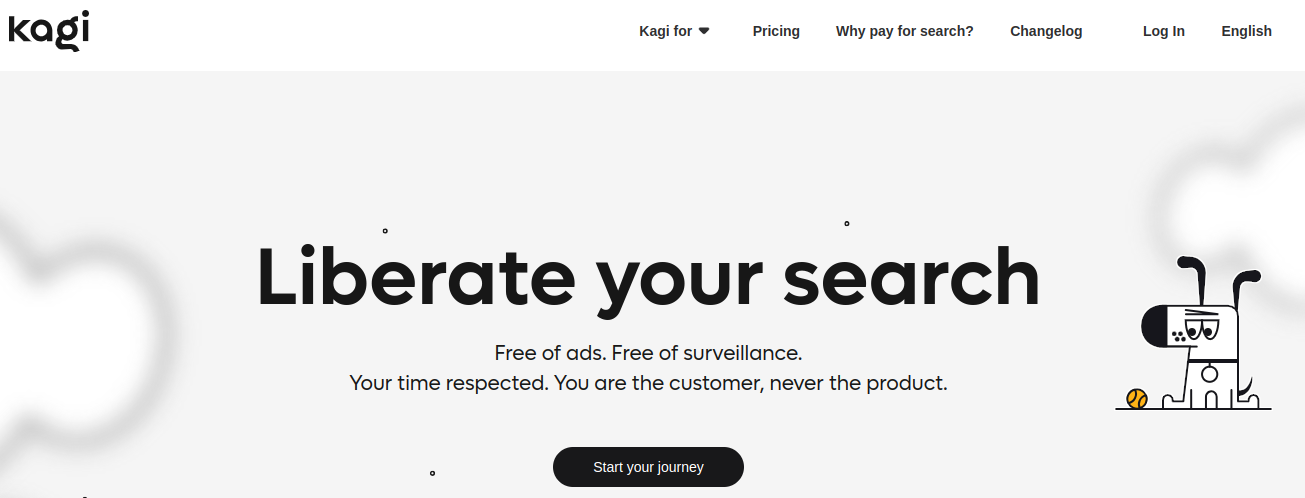
Kagi is a premium, user-funded search engine that focuses on offering high-quality, ad-free, distraction-free results. While it’s not free, Kagi promises smarter ranking of results using Lemur AI, and personalisation based on user preference rather than data collection. It’s highly customisable and is favoured by productivity-focused users.
Key Highlights:
Paid subscription for ad-free search.
Smart filtering and customisable ranking.
Strong performance for research and technical searches.
Best for: Academics, researchers, and professionals who value signal over noise.
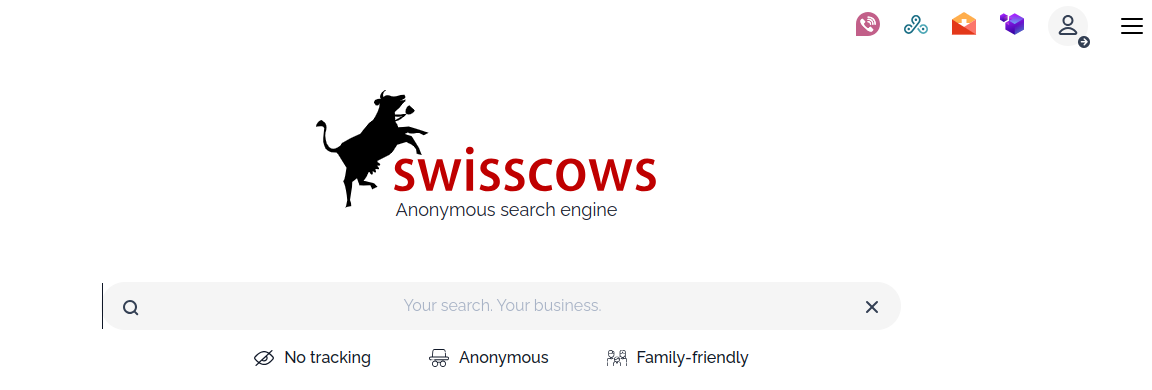
Swisscows is a family-friendly, privacy-focused search engine hosted in Switzerland, where strict data protection laws apply. It doesn’t store user data and uses semantic search technology, which interprets the meaning behind your query rather than just matching keywords. It’s also built with safety filters for kids and young users.
Key Highlights:
Semantic search results.
Strong privacy stance.
Ideal for educational or family use.
Best for: Families, schools, and users who want a safe, private search experience.
How to Choose the Right Search Engine for You
Here are a few questions to help decide:
Do you value privacy over personalised results? → Try DuckDuckGo, Brave, or Startpage.
Want AI summarisation and chat features? → Explore Bing, You.com, or Kagi.
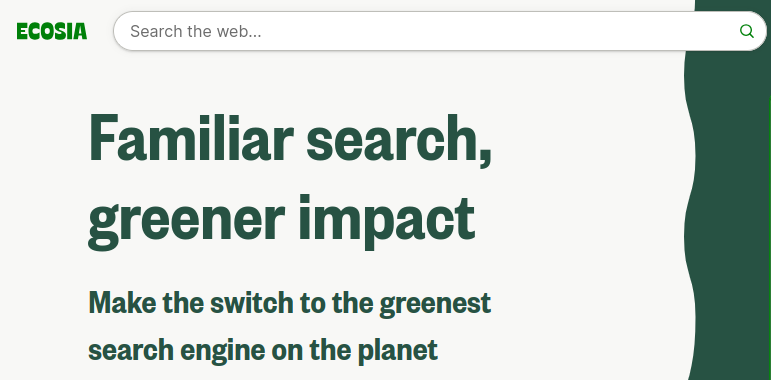
Interested in ethical tech or sustainability? → Choose Ecosia.
Looking for academic-level computation? → Use Wolfram Alpha.
You don’t need to stick with just one. Many users switch between search engines based on the task.
In 2025, the search engine landscape is more diverse, intelligent, and user-centric than ever before. Whether you care about privacy, want smarter AI answers, or wish to support environmental causes, there’s a smarter alternative to Google waiting for you.
Tanu Vishwakarma, a seasoned social media marketer, possesses a passion for promoting businesses online. She specialises in crafting creative strategies to captivate potential customers. Her dedication to staying updated on industry trends ensures that her methods are always effective. Tanu thrives on helping businesses shine in the digital realm.
In early 2026, Microsoft made a surprising move that sent ripples through the tech industry—the company began canceling Claude Code licenses for most of its direct employees. Just six months […]
Artificial intelligence is no longer just a trend discussed by tech experts. It has become a practical tool that businesses of all sizes are using every day. From automating tasks […]
Google’s March 2026 core update is rolling out now, and the SEO industry is once again in watch-and-wait mode. Whenever Google pushes a broad core update, rankings can shift quickly, […]